


CWSRF Eligibilities and Flexibilities
On this page:
Eligibilities Factsheets
The CWSRF can fund a wide variety of water quality protection efforts. The program’s flexibility and broad range of project eligibilities enable states to target CWSRF funds to their specific water quality priorities.
Innovative Projects
-
Clean Water State Revolving Fund: Investing in Communities Through Water Innovation (pdf)
This report provides an overview of CWSRF investments in a broad mix of innovation across the nation for different types of communities, different regions, and different types of technology. -
Investing in Intelligent Technology: Facing Today’s Wastewater Challenges with the Future in Mind (pdf)
This document is for communities that want to learn how other communities of various sizes, locations, and demographics are developing intelligent water systems and using CWSRF money to invest in technologies today for a more efficient and reliable water system in the future. The document provides a brief overview of select intelligent technologies: telemetry, advanced metering, real-time controls, and Supervisory Control and Data Acquisition (SCADA) systems. -
CWSRF Best Practices Guide for Financing Nonpoint Source Solutions (pdf)
This guide will help the 51 state-level CWSRF programs apply best practices to address the challenge of nonpoint source (NPS) pollution. Some CWSRF programs have achieved notable success using CWSRF funds to target NPS needs. These state programs produce creative solutions to combat NPS problems and offer valuable lessons for other states to consider. EPA developed this guide to share the collective wisdom from those states and provide case studies of successful and innovative partnerships nationwide. The guide will help state staff better align and integrate their state’s CWSRF and NPS management programs. The guide suggests strategies and key elements to expand the use of CWSRF resources to address priority needs as specified in state NPS management program plans, and it identifies potential obstacles and how to overcome them. -
Financing Decentralized Wastewater Treatment Systems: Pathways to Success with the Clean Water State Revolving Fund (pdf)
This guide will help local and state onsite/decentralized wastewater programs and community leaders learn ways to access CWSRF financing. It describes CWSRF program basics, requirements, alternative financing structures, and mechanisms to effectively reach prospective borrowers to repair, construct, or replace their decentralized wastewater systems. This guide may aid state staff in CWSRF programs that have never financed decentralized system projects to begin or expand their assistance to include such projects. This guide provides the tools and knowledge necessary to successfully navigate the financing process and to understand the basics of alternative CWSRF financing structures. -
Integrating Water Reuse into the Clean Water State Revolving Fund (pdf)
This document provides information on the eligibility of water reuse projects using the CWSRF, the different types of projects that can be funded, and the environmental and economic benefits that water reuse can provide. It also highlights some examples of policies and practices used by state CWSRF programs that support water reuse projects, and provides considerations of how projects can be evaluated and prioritized for potential financial support.
Nontraditional Financing
The CWSRF program has an extensive record of using its statutory financial mechanisms to fund high priority projects. States have a wide array of options to be innovative in designing financial programs and assistance delivery mechanisms.
Green Infrastructure
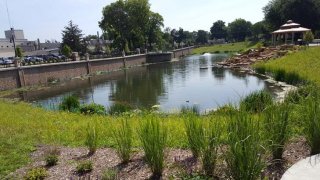
The environmental benefits of green infrastructure are quantifiable. The collection of case studies explores the efforts of five CWSRF assistance recipients to monitor or model the environmental benefits of green infrastructure practices. Best practices support the important story that across a wide variety of projects and multiple geographic areas, CWSRF programs are making a substantial difference in the national effort to prevent stormwater pollution.
- Environmental Benefits of Clean Water State Revolving Fund Green Infrastructure Projects (pdf)
- Financing Green Infrastructure: A Best Practices Guide for the Clean Water State Revolving Fund (pdf)
- The Importance of Operation and Maintenance for the Long-Term Success of Green Infrastructure (pdf)
Apply for CWSRF Assistance
CWSRF assistance is provided directly from state agencies. Contact the CWSRF program in your state for information on how to apply.