U.S. flag

An official website of the United States government

Here’s how you know

Dot gov

Official websites use .gov
A .gov website belongs to an official government organization in the United States.

HTTPS

Secure .gov websites use HTTPS
A lock (LockA locked padlock) or https:// means you’ve safely connected to the .gov website. Share sensitive information only on official, secure websites.

    • Environmental Topics
    • Air
    • Bed Bugs
    • Chemicals, Toxics, and Pesticide
    • Emergency Response
    • Environmental Information by Location
    • Health
    • Land, Waste, and Cleanup
    • Lead
    • Mold
    • Radon
    • Research
    • Science Topics
    • Water Topics
    • A-Z Topic Index
    • Laws & Regulations
    • By Business Sector
    • By Topic
    • Compliance
    • Enforcement
    • Guidance
    • Laws and Executive Orders
    • Regulations
    • Report a Violation
    • Environmental Violations
    • Fraud, Waste or Abuse
    • About EPA
    • Our Mission and What We Do
    • Headquarters Offices
    • Regional Offices
    • Labs and Research Centers
    • Planning, Budget, and Results
    • Organization Chart
    • EPA History

Breadcrumb

  1. Home
  2. Sustainable Management of Electronics and Batteries

Battery Collection Best Practices

Background

  • Check out our information for consumers about recycling household batteries and lithium-ion batteries.
  • Submit questions about these battery efforts to Batteries@epa.gov.

When batteries are discarded improperly, such as in household trash or curbside recycling, critical materials inside batteries are lost and cannot be recycled into new batteries. Batteries can also start fires throughout the municipal waste management system, causing air pollution issues in communities and threatening the safety of workers and first responders.

The Infrastructure Investment and Jobs Act requires EPA to develop battery collection best practices and battery labeling guidelines. Congress allocated $10 million and $15 million respectively to the Agency to complete these tasks by September 30, 2026.


Collection Best Practices

cover page for the Battery Collection BPs RTC

EPA developed a report to Congress on the best practices for collection of batteries to be recycled. This report identifies existing best practices, describes the current state of battery collection, and lays out EPA’s next steps.

EPA hosted a series of working sessions to inform the development of best practices for state, Tribal and local governments in collecting end-of-life batteries for recycling. As specified in the Infrastructure Investment and Jobs Act, best practices must:

  • Be technically and economically feasible for state, Tribal and local governments.
  • Be environmentally sound and safe for waste management workers.
  • Optimize the value and use of material derived from the recycling of batteries.

EPA developed battery collection best practices that cover a wide array of small, medium (or mid-), and large format battery chemistries (lithium-ion, nickel-cadmium, etc.) and uses (consumer products, e-scooters, electric vehicles, industrial storage). This report also identifies best practices for communication and outreach, collection locations, transportation, measuring progress, as well as other important elements.

Access the report (pdf)(2.1 MB).


Development of the Collection Best Practices
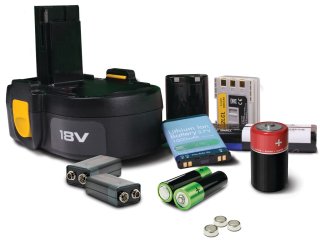
This is a photo of several different kinds of batteries ranging from lithium-ion batteries to AAA.

Activities and Input Collected

In June and July 2022, to support development of battery collection best practices, EPA conducted outreach to learn about the current state of battery recycling efforts around the U.S. EPA hosted a series of virtual feedback sessions and issued a request for information to seek input on all battery chemistries (e.g., lithium-based and nickel-metal hydride) and all battery types (e.g., small format primary or single-use and rechargeable batteries; mid-format; large format vehicle batteries, including electric vehicles; and industrial batteries used in manufacturing, commercial businesses, and healthcare operations). More than 780 unique participants attended the feedback sessions, and 59 people and organizations submitted responses to the Request for Information.

Working Session Overview

The working sessions for developing battery collection best practices and voluntary labeling guidelines had distinct but related conversation tracks, organized by battery type, in 2024–2025. Each track included a series of working sessions. While participation varied between each track, some individuals or organizations may have contributed to more than one.

Past Working Sessions

TopicDate
Track 3: Large Format Batteries - Expanding End of Life Management for Large Format Batteries–Recycling and Refurbishing June 17, 2025
Track 3: Large Format Batteries – Labeling and CollectionApril 24, 2025
Track 2: Mid-format Batteries – Report-Out from the January In-Person Meeting on Mid-format Consumer Battery Labeling and CollectionMarch 12, 2025
Track 2: Mid-Format Batteries – In-Person Working Session on Labeling and Collection: Exploring Collection Best Practices and Labeling GuidelinesJanuary 27-28, 2025
Track 2: Mid-Format Batteries – Labeling and Collection - Ensuring Safe End-of-Life-ManagementNovember 21, 2024
Track 2: Mid-Format Batteries – Labeling and Collection - Consumers Information Needs and Safety ConcernsOctober 30, 2024
Track 2: Mid-Format Batteries – Labeling and Collection - Role of Manufacturers and Retailers in Promoting Safer Collection and RecyclingOctober 15, 2024
Track 2: Mid-Format Batteries – Labeling and Collection - Current Policies, Practices, and TrendsSeptember 12, 2024
Track 1a: Small Format Batteries – Report Out from In-Person Labeling Intensive and Additional InputJuly 16, 2024
Track 1b: Small Format Batteries – Collection Education and OutreachJune 20, 2024
Track 1a: Small Format Batteries – In-Person Working Session on Battery LabelingJune 12-14, 2024
Track 1b: Small Format Batteries – Safe Collection, Storage, and TransportMay 14, 2024
Track 1a and 1b: Small Format Batteries – Labeling and Collection: Tribal Waste Management WebinarMay 2, 2024
Track 1b: Small Format Batteries – Collection Systems and LocationsApril 11, 2024
Kick-off: Current Landscape and Conversation Track Overview for All Battery TypesMarch 19, 2024

Sustainable Management of Electronics and Batteries

  • Battery Collection Best Practices
  • Battery Collection Best Practices Toolkit
  • Voluntary Battery Labeling Guidelines
  • Extended Battery Producer Responsibility
  • Used Lithium-Ion Batteries
  • Used Household Batteries
  • About Electronics Management
    • Assessment Tools
    • Certified Electronics Recyclers
    • Regulations
    • Research
Contact Us About Sustainable Management of Electronics and Batteries
Contact Us About Sustainable Management of Electronics and Batteries to ask a question, provide feedback, or report a problem.
Last updated on May 6, 2026
  • Assistance
  • Spanish
  • Arabic
  • Chinese (simplified)
  • Chinese (traditional)
  • French
  • Haitian Creole
  • Korean
  • Portuguese
  • Russian
  • Tagalog
  • Vietnamese
United States Environmental Protection Agency

Discover.

  • Accessibility Statement
  • Budget & Performance
  • Contracting
  • EPA www Web Snapshot
  • Grants
  • No FEAR Act Data
  • Plain Writing
  • Privacy and Security Notice

Connect.

  • Data
  • Inspector General
  • Jobs
  • Newsroom
  • Regulations.gov
  • Subscribe
  • USA.gov
  • White House

Ask.

  • Contact EPA
  • EPA Disclaimers
  • Hotlines
  • FOIA Requests
  • Frequent Questions
  • Site Feedback

Follow.