


Wildfires
Over the last few decades, the United States has experienced an increase in wildfire season length, wildfire frequency, and burned area. Although wildfires occur naturally and play a long-term role in the health of these ecosystems, changing wildfire patterns present challenges for communities across the country. To try to reduce some detrimental impacts of wildfire, there has been an increase in prescribed fires (or planned fire) to reduce the fuel available for wildfires to burn.
EPA has been at the forefront of research to understand the impacts of wildland fire, both wildfire and prescribed, on the environment and public health, and efforts to ensure individuals and communities can prepare for, respond to, and recover from wildland fires.
-
Wildland Fires and Public Health Effects

Learn about the types of wildland fire and the associated effects of wildland fire and smoke on public health.
-
Take Action on Wildland Fires and Smoke
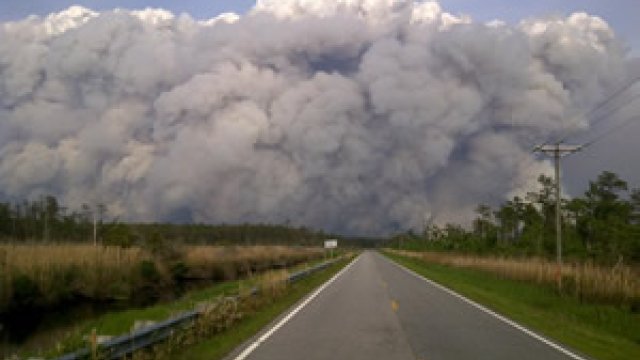
Learn what to do at each stage of a wildland fire to keep you and your loved ones safe.
-
Wildland Fire Work at EPA

Learn about EPA’s research and programs focused on understanding and protecting public health and the environment from wildland fire.
Wildland Fire Resources
- AirNow Wildfires: Resources about air quality and wildfire smoke, including the AirNow Fire & Smoke Map, and recommendations about how to stay safer before, during, and after fires.
- Learn About Wildfires and Indoor Air Quality: Guidance and resources on how to prepare for wildfire smoke events and information about what you can do during and following a wildfire to protect you and your indoor air quality.
- Wildfire Fire Resource Directory: Searchable directory of wildland fire resources, including factsheets, webinars, and guides.
- Wildfire Smoke: A Guide for Public Health Officials: A resource to provide state, Tribal and local public health officials with information they need to be prepared for smoke events and, when wildfire smoke is present, to communicate health risks and take measures to protect the public.
- Wildfire Smoke and Health Factsheets: Developed to accompany the 2026 Wildfire Smoke: A Guide for Public Health Officials, these 14 factsheets provide information about a variety of smoke and health topics.