


Local Leadership Makes a Difference: Local Officials Guide to Brownfields Redevelopment
Does your community have shuttered factories, vacant industrial waterfronts, abandoned gas stations, rundown buildings filled with asbestos, or other hazardous sites? These types of properties are called brownfields and they are a blight on your community’s safety., health and economy.
Good news! Most brownfields can be safely redeveloped into housing, commercial facilities, manufacturing and technology centers and new community uses including parks and recreational facilities, public and nonprofit facilities and many other kinds of productive reuse.
Your Essential Role as Project Champion
As a local official, your actions to support site visioning, planning, assessment and cleanup activities will bring attention and momentum to revitalization projects. You can play a decisive role in supporting your community’s vision and creating the right conditions for brownfields reuse. Your involvement will help your community:
- Prioritize brownfield sites for cleanup and reuse
- Convene stakeholders from across the community
- Generate interest and investment from the private sector and
- Determine when public resources are needed to move the site into reuse.
Maybe you have one or more brownfield properties in mind for reuse, but you are hesitant to begin addressing them because of potential liability concerns or costs.
Fortunately, numerous tools and resources are available to address these potential issues and assist with moving these sites toward new and productive uses.
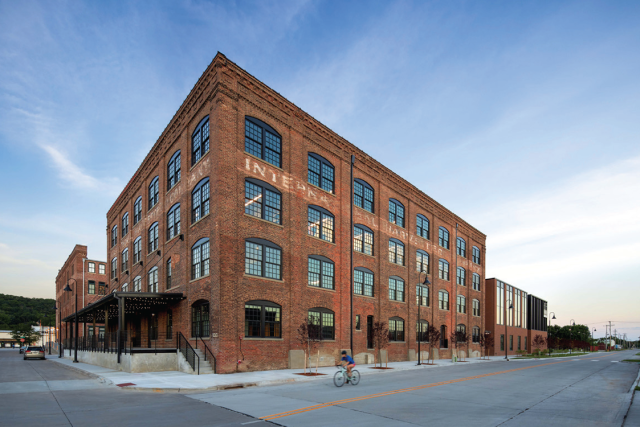
Three Things a Local Official Needs to Know About Revitalizing Brownfields
- Investing in brownfields reuse can help your community solve two problems at once; you can create new community amenities while reducing potential exposure to public health hazards.
- Your community can take several actions now to get started on brownfields revitalization.
- A party that did not cause the pollution can obtain liability protections and minimize enforcement concerns before investigating and cleaning up brownfields. Concerns about potential lawsuits, legal enforcement from state and federal authorities or bankruptcies associated with brownfields may dissuade you from taking site control. But several tools can mitigate these risks:
- Liability defenses, provided through environmental site assessments, must be conducted prior to taking site control or starting cleanup. Learn more about All Appropriate Inquiries requirements [LINK].
- Federal and state liability protections can shield local governments and non-liable parties.
- Government and nonprofit-led assistance programs help localities, developers and other stakeholders understand contamination levels, cleanup strategies and cost estimates. Unlike Superfund sites, brownfields are rarely subject to federal enforcement. Nearly every U.S. state and territory has a voluntary cleanup program that offers liability protections and regulatory assurances to parties that did not cause the contamination.
Getting Help for Your Community

Help is available to support your community’s brownfield reuse goals. Many local officials get started by contacting their regional Technical Assistance to Brownfield Communities provider, who can explain and mentor communities through their initial brownfield revitalization efforts for free.
EPA funds the work of local governments, nonprofits and other organizations to assess contamination, plan cleanups, conduct cleanups, train environmental workers and spur revitalization of brownfield sites. Many other federal programs also provide resources and support for brownfield and community revitalization.
EPA also provides targeted brownfield assessments to handle investigations at brownfield sites, land revitalization planning assistance and various other types of tools and technical assistance.
The EPA Land Revitalization Toolkit provides a wealth of resources, including fact sheets, guidebooks and other tools that highlight best approaches to brownfield and community revitalization.
What actions can I take today?
✓ Decide to be a champion for brownfields reuse in your community.
✓ Call your Technical Assistance to Brownfield Communities provider to help you get started.
✓ Learn about liability protections and defenses under CERCLA. Do not take site control without conducting AAI.
✓ Form a brownfield stakeholder group with public and private partners (e.g., homeownership associations, HOAs, developers, community stakeholders, and local officials) to focus attention on a specific site or target area.
✓ Work with your community to create a vision for reuse.
✓ Email your Regional EPA contact for help with targeted brownfield assessments.
✓ Attend the biennial National Brownfields Training Conference.