EPA Lowers Costs, Helps Bring Leaking Underground Storage Tank Sites Back to Productive Use in the Midwest
Permitting reform championed by EPA Administrator Lee Zeldin leads to highest underground storage tank site closure rate on Midwest Tribal territories in more than a decade
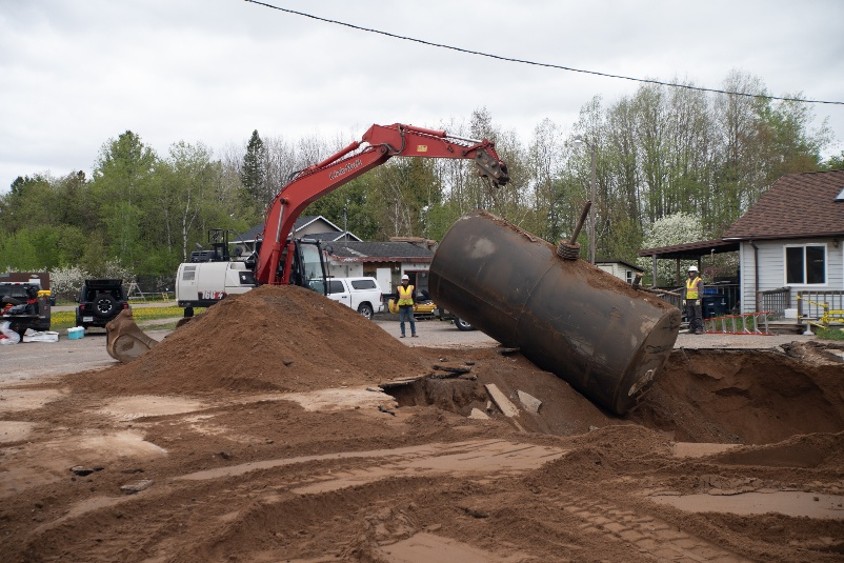
Today, U.S. Environmental Protection Agency (EPA) announced monitoring and remediation partnerships with Tribal communities brought a record number of underground storage tank sites back to productive use. In 2026, EPA addressed 10 leaking underground storage tank sites in Michigan and Minnesota, removed a leaking tank in Wisconsin while improving cleanup standards, and saved taxpayers more than $550,000.
“EPA’s permitting reforms are cutting unnecessary testing, saving time and taxpayer dollars, and putting those resources back to work where they matter most,” said EPA Regional Administrator Anne Vogel. “That means faster site investigations, quicker tank removals when needed, and stronger protection for nearby properties through close coordination with Tribes.”
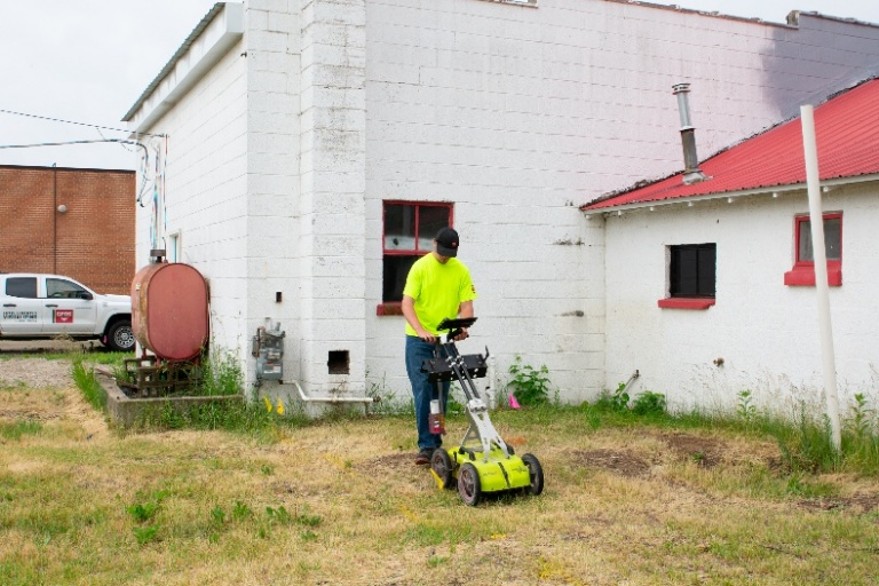
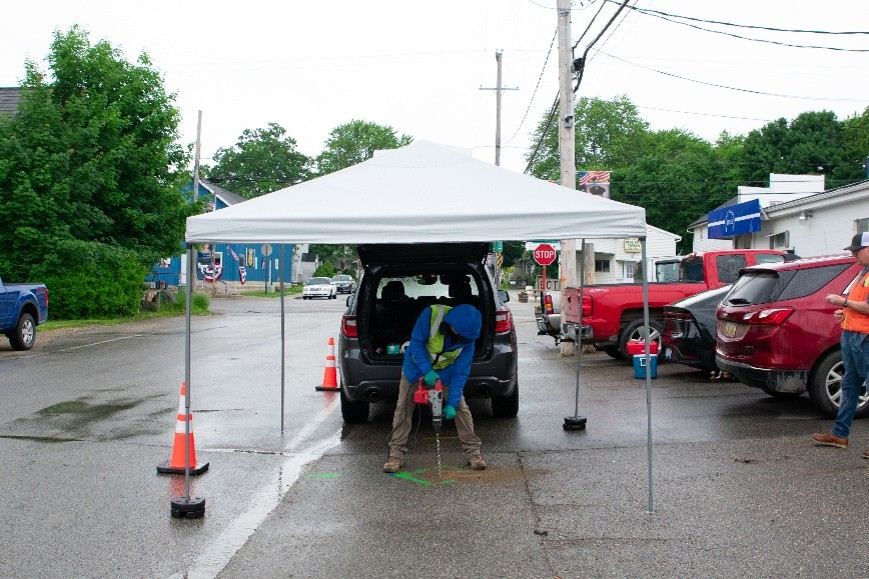
Addressing UST sites has typically required years of monitoring, small-scale remediation and testing for contamination that may have migrated offsite. In September 2025, EPA issued streamlined guidance, Reassessing Exposure Threats from Petroleum Underground Storage Tank Releases, to create a faster process to evaluate and remove leaking underground tanks and reduce costs by hundreds of thousands of dollars. The guidance focuses on testing along exposure pathways, such as private drinking water wells and other places people come into direct contact contaminants, instead of full site assessments.
The 10 sites closed in 2026 include:
- Nine releases at four different sites in Saginaw Chippewa territory near Mount Pleasant, Michigan:
- Five at Next Door Store #5010, an operating gas station, located at 629 South Mission Street.
- Two at Next Door Store #5039, an operating gas station, located at 5025 East Pickard Road.
- One at Sagamok Shell, an operating gas station, located at 2428 South Leaton Road.
- One at Krapohl Ford Lincoln Mercury, an operating car dealership, oil change facility and body shop, located at 1415 E Pickard Street.
- One release in Shakopee Mdewakanton Sioux territory near Prior Lake, Minnesota:
- Shakopee Dakota Convenience Store #2, an operating gas station, located at 14160 Wilds Path NW.
EPA also used Brownfields assessment funding to remove one tank from Mole Lake Smoke Shop, a former gas station, located at 3081 State Hwy 55 on Band of the Lake Superior Chippewa territory near Crandon, Wisconsin.
In L’Anse, Michigan, EPA worked extensively with Keweenaw Bay Indian Community to test whether contamination had spread offsite from Lute’s Corner Store, a former gas station across the street from Keweenaw Bay Ojibwa Community College. Ensuring the college was free from contamination opened the door for Keweenaw Bay Indian Community to put the property into a protected trust. The college can now expand its programs and offer additional outdoor learning opportunities to students.
Last year, EPA Administrator Lee Zeldin reaffirmed the EPA Policy for the Administration of Environmental Programs on Indian Reservations (EPA Indian Policy), which contains fundamental principles to guide EPA’s work with Tribes. EPA has made significant progress partnering with Tribes to remove leaking storage tanks, prioritize timely action and empower local expertise.
Underground storage tanks are found in nearly every community across the United States, with an estimated 542,000 tanks nationwide. They are used to store a variety of regulated products, mostly gasoline and diesel fuel at sites such as gas stations. Leaking or inadequately maintained tanks can pose serious threats to human health and the environment by contaminating soil and groundwater, risking fire, explosion or the release of dangerous vapors. EPA is responsible for monitoring and remediating UST sites in Tribal territories and has identified more than 60 potentially leaking tanks in EPA’s Great Lakes region.
To learn more about EPA’s work on underground storage tanks in Tribal communities, visit EPA’s website.
###
Follow EPA Region 5 on Instagram, X and visit our Facebook page. For more information about EPA Region 5, visit our website.