


Lead Audit Strip Preparation
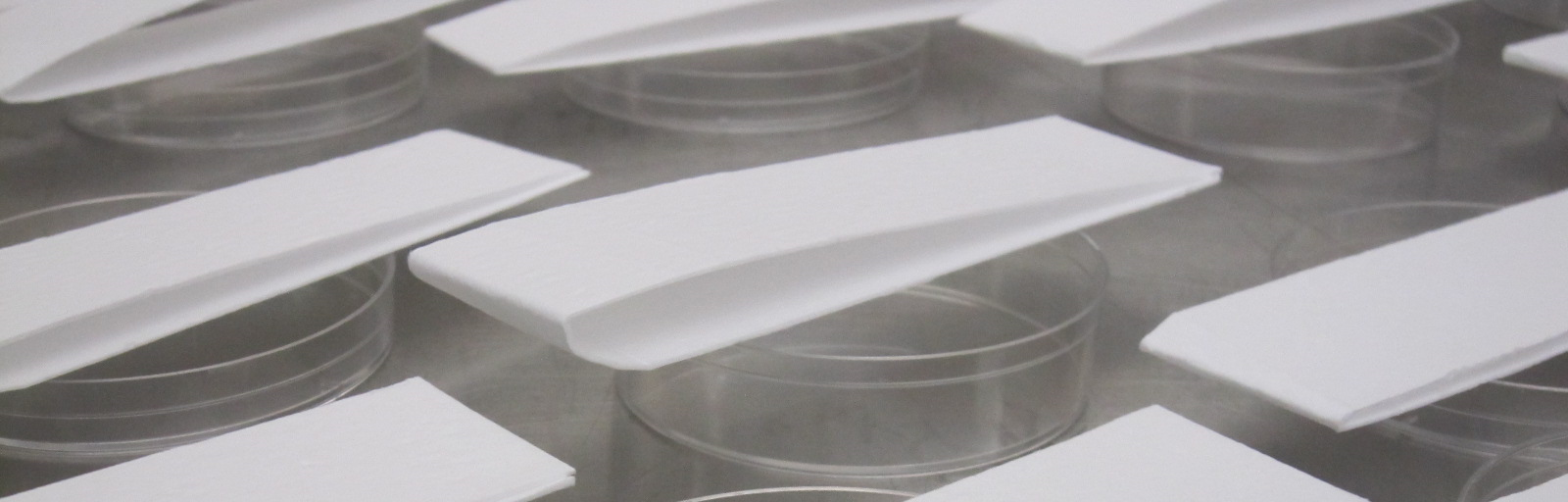
This page contains information on methods for the preparation of lead (Pb) audit strips for use in the Lead NAAQS monitoring network. This page is intended to assist state, local, and Tribal monitoring agencies as they implement the Pb NAAQS monitoring requirements.
Resources
- Missouri Pb Audit Strip SOP (pdf)
- RTI Pb Analysis Audit Spiking SOP (Teflon Filters) (pdf)
- Pb Analysis Audit Spiking SOP (pdf)
Program Overview
40 CFR Part 58 Appendix A requires that agencies (laboratories) providing Pb filter analyses for regulatory lead (Pb) monitoring must participate in the Pb Analysis Audit Program. The following is an excerpt from Paragraph 3.4.6 of Appendix A, describing the program:
3.4.6 Pb Analysis Audits. Each calendar quarter, audit the Pb reference or equivalent method analytical procedure using filters containing a known quantity of Pb. These audit filters are prepared by depositing a Pb standard on unexposed filters and allowing them to dry thoroughly. The audit samples must be prepared using batches of reagents different from those used to calibrate the Pb analytical equipment being audited. Prepare audit samples in the following concentration ranges:
| Range | Equivalent ambient Pb concentration, µg/m3 |
|---|---|
| 1 | 30–100% of Pb NAAQS. |
| 2 | 200–300% of Pb NAAQS. |
- Extract the audit samples using the same extraction procedure used for exposed filters.
- Analyze three audit samples in each of the two ranges each quarter samples are analyzed. The audit sample analyses shall be distributed as much as possible over the entire calendar quarter.
- Report the audit concentrations (in µg Pb/filter or strip) and the corresponding measured concentrations (in µg Pb/filter or strip) to AQS using AQS unit code 077. The percent differences between the concentrations are used to calculate analytical accuracy as described in section 4.2.6 of this appendix.
Audit strip program FAQs:
- How many strips are required to be analyzed? Laboratories are required to analyze 6 Pb audit strips per quarter (3 strips at 2 concentration ranges).
- What laboratories are required to participate in the program? Any laboratory that provides Pb analysis for regulatory Pb monitors are required to participate in the program.
- Who is required to develop the Pb audit strips? Monitoring agencies are required to ensure their Pb analytical laboratories fulfill the quarterly Pb audit strip requirements. Agencies may choose to provide their own audit strips, or, upon request, EPA can provide spiked strips. Currently, EPA’s QA Contractor spikes and ships filters to participating laboratories. Agencies may sign up to receive strips through the QA Contractor led AirQA website (https://ha.battelle.org/airqa/).
- Where can the Pb audit strip data be accessed? Agencies are required to upload the laboratory reported results to AQS. Results are available in AQS’s AMP504 reports.
- What are the acceptance criteria for individual and aggregated strip results?
- The individual percent differences of the spike vs. laboratory reported mass should be within 10% (EPA QA Handbook VII recommendation).
- For aggregated assessment, e.g., all range 1 results from a lab in a given year, the upper 95% confidence limit for the absolute bias should be < 15% (40 CFR Part 58 Appendix A Paragraph 2.3.1.3; calculations described in Paragraph 4.1.3).
- Are the audit strips blind to participants? No! Audit strips are distributed as QC samples where the audit strip’s theoretical “actual” concentration is provided to the labs. Monitoring organizations then submit both actual and indicated concentrations to AQS. However, if monitoring organizations would rather the audit be single-blind, EPA is willing to work out the implementation details of this process.
- Does an analytical laboratory serving multiple monitoring organizations need to have an independent set of audit strips analyzed for each monitoring organization it services? No. Pb analytical labs servicing multiple monitoring organizations are required to perform one set (three strips, at two concentration levels) of Pb strips per analysis method each quarter. The laboratory provides each monitoring organization with the same filter strip concentration information each quarter. Monitoring organizations are responsible for reporting the Pb strip data to AQS. So, if the analytical laboratory was servicing five monitoring organizations, those five organizations would be submitting the same filter strip concentration data for its PQAO.