


Hot topics in Idaho
Learn about some of EPA's priority work in Idaho.
Superfund
Coeur d'Alene Basin
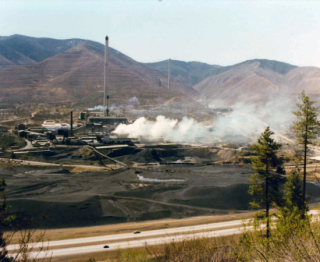
The Bunker Hill Superfund site (also known as the Coeur d'Alene Basin cleanup) spans 1,500 square miles and 166 river miles across one of the largest historical mining districts in the world. Historical mining practices spread contaminants throughout the floodplain of the South Fork Coeur d’Alene River, leaving soil, sediment, groundwater and surface water contaminated with heavy metals such as lead. The site was first added to EPA's Superfund National Priorities List in 1983.
- Learn more about the Bunker Hill Superfund site (Coeur d’Alene Basin).
Eastern Michaud Flats
The Eastern Michaud Flats Superfund site is located a few miles miles northwest of Pocatello in southeast Idaho, with portions of the site located within the boundaries of the Fort Hall Indian Reservation. Soil and groundwater at this site are contaminated with hazardous chemicals from historical phosphate ore processing activities. The site was added to EPA's Superfund National Priorities List in 1990.
- Learn more about the Eastern Michaud Flats Superfund site (Pocatello/Fort Hall).
Find more Superfund sites in Idaho.
Transboundary mining pollution
Eight organizations will receive $1,749,700 through EPA’s Transboundary Watershed Grant Program to monitor and reduce transboundary mining pollution in U.S.-British Columbia transboundary watersheds, including:
- Kootenai Tribe of Idaho.
- Idaho Department of Environmental Quality.
Read EPA's grant announcement.
Wildfire smoke
Smoke from wildfires is a critical air quality concern for Tribal communities in Idaho. EPA helps support Tribes in managing the effects of wildfire smoke on Tribal lands, including issuing burn bans and air quality advisories during smoky periods.
- Learn more about wildfire smoke readiness and response for Tribes.
Tribal programs
EPA's Region 10 office serves 271 federally recognized Tribes, including 5 Tribes in Idaho.
- Learn more about EPA Region 10's Tribal programs.