


Controlling Mosquitoes at the Larval Stage
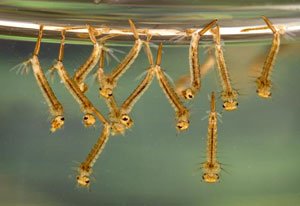
Larvicides target larvae in the breeding habitat before they can mature into adult mosquitoes and disperse. Larvicide treatment of breeding habitats helps reduce the adult mosquito population in nearby areas.
Liquid larvicide products are applied directly to water using backpack sprayers and truck or aircraft-mounted sprayers. Tablet, pellet, granular, and briquet formulations of larvicides are also applied by mosquito controllers to breeding areas.
While there are a number of registered active ingredients used in larvicides, below you will find information on more commonly used larvicides. EPA’s evaluation of mosquito control product includes assuring that it does not pose risks to vulnerable populations, including children and pregnant women when used according to label directions.
Bacterial Insecticides
Insects that are exposed to the Bacillus species have trouble digesting food they eat after the exposure. They then die of starvation.
Insect Growth Inhibitors
- Insect growth inhibitors (PDF) (4 pp, 89k) prevent the larvae from maturing into adult mosquitoes.
- Methoprene (PDF) (9 pp, 119k)
Organophosphate Insecticide
The organophosphate insecticides affect the nervous system of insects.
This pesticide is applied to standing water, shallow ponds, lakes, woodland pools, tidal waters, marshes, swamps, catch basins, and other areas where mosquitoes can breed. It is the only organophosphate with significant larvicidal use and is labeled only for use by public health officials, personnel of mosquito abatement districts or similar agencies or personnel under contract to those agencies.
When the registration review for temephos began in 2008 the registrant proposed canceling all uses. We issued a registration review decision in September 2011 that summarizes the information about this review.
On February 25, 2011, EPA issued a cancellation order affecting all uses of temephos. As of December 31, 2015, the pesticide manufacturer can no longer sell any temephos products. However, distributors and retailers can continue to sell products they have in stock until December 31, 2016. After that date, existing stocks of products containing temephos that are in the hands of users can be used legally until they are exhausted, provided that the use complies with the EPA-approved label of that product. View the cancellation order.
Other Materials
Oils and films disperse as a thin layer on the surface of the water and cause larvae and pupae to drown.
- Mineral Oils
- Monomolecular films