


Wildfires and Indoor Air Quality (IAQ)

Available in these languages:
- Know how you will get emergency alerts and health warnings.
- Know your evacuation routes.
- Gather emergency supplies, including N95 respirator masks.
- Have at least a 5-day supply of food and medication on hand.
- Talk to your health care provider about what to do if you have heart or lung disease. If you have asthma, make sure you have an asthma action plan.
- Know how you will communicate with your family or other members of your household.
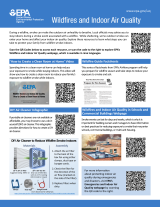
This one-pager has QR codes to several Wildfire and Indoor Air Quality resources – including guidance for making a DIY air cleaner, how to create a clean room in your home, and guidance for schools and commercial buildings during wildfire smoke events. Simply scan the QR codes to access the resources.
During a wildfire, smoke can make the outdoor air unhealthy to breathe. Local officials may advise you to stay indoors during a smoke event. You should be aware that some of the smoke from outdoors can enter your home and make it unhealthy to breathe indoor air, too.
If you are close to a wildfire, the fire itself, as well as heavy smoke and ash, can pose serious, immediate risks to your safety and health. You and your family should be prepared to evacuate immediately if told to do so. Farther from a wildfire, you may be exposed to smoke even if the fire itself is far away.
Smoke is made up of a complex mixture of gases and fine particles produced when wood and other organic materials burn. The biggest health threat from smoke is from fine particles. These microscopic particles can get into your eyes and respiratory system – whether you are outdoors or indoors, where they can cause health problems such as burning eyes, runny nose, and illnesses such as bronchitis. Fine particles can also aggravate chronic heart and lung diseases - and even are linked to premature deaths in people with these conditions.
If you are healthy, you're usually not at a major risk from short-term exposures to smoke. Still, it's a good idea to avoid breathing smoke – both outdoors and indoors – if you can help it. Learn more about the health effects of wildfire smoke.
This page provides helpful information to reduce your exposure to wildfire smoke inside your home.
- How Does Wildfire Smoke Affect Indoor Air Quality?
- What Can I Do Now to Protect My Family from Wildfire Smoke?
- What Can I Do During a Wildfire Smoke Event to Reduce My Family's Exposure to Smoke Indoors?
- What Can I Do After a Wildfire Smoke Event to Protect My Family from Ash Indoors?
- Additional Resources
- Wildfire Smoke Preparedness in Community Buildings Grant Program
- Create a Clean Room to Protect IAQ During a Wildfire
- Wildfires and Indoor Air Quality in Schools and Commercial Buildings
How Does Wildfire Smoke Affect Indoor Air Quality?
Outdoor air, including fine particles from wildfire smoke, can enter your home in a few ways:
- through open windows and doors, which is known as natural ventilation.
- through mechanical ventilation devices such as bathroom or kitchen fans that vent to the outdoors, or heating, ventilation and air conditioning (HVAC) systems with a fresh air intake.
- through small openings, joints, cracks, and around closed windows and doors through a process called infiltration.
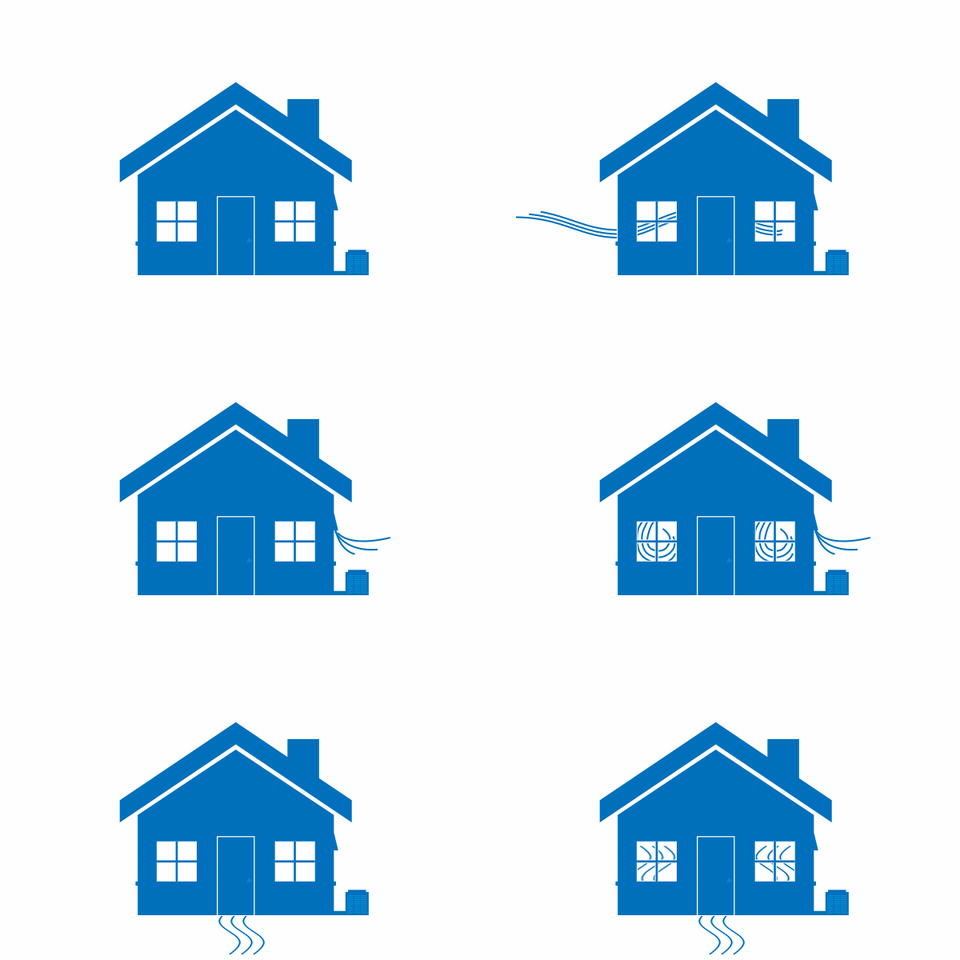
Wildfire smoke could impact your indoor air quality (IAQ) differently depending on the proximity of the fire and the density of the smoke. Here are some situations you might experience and the actions you can take in each situation:
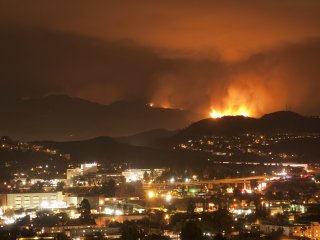
If there is an active fire in your area and it is very close to your house
It may be best to evacuate. Fires can spread quickly, and the smoke plume can make it difficult to see in an evacuation. In addition, it can be nearly impossible to keep dense smoke from building up in the indoor air. Pay close attention to local emergency alerts to know when to evacuate.
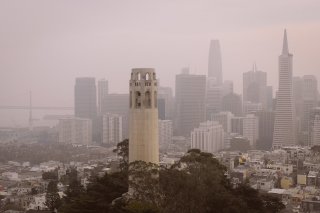
If there is an active fire close enough to cause high smoke levels, but the fire is not threatening your hom:
Smoke may enter your home, making it harder to breathe. Learn more about what to do in this situation and how to prepare for it. If there is an active fire in your area, follow your local news, EPA's AirNow website, or your state air quality website for up-to-date information.
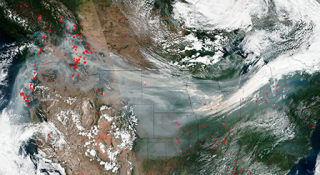
You may hear that smoke from a far-away wildfire has spread to your community, even if it is thousands of miles away
While this can happen, the amount of smoke that may reach your community from such a distance is probably very small and may be overshadowed by local sources of particle pollution. In this situation, you can monitor your local outdoor air quality on AirNow.gov and manage your indoor air quality as you normally would.
What Can I Do Now to Protect My Family from Wildfire Smoke?
If you live in an area where the wildfire risk is high, take steps now to prepare for fire season. Being prepared for fire season is especially important for the health of children, older adults, and people with heart or lung disease. Below are key strategies for reducing exposure to wildfire smoke indoors.
Learn more about preparing for fire season and protecting you, your family, and your home from wildfires:
Plan to Filter the Indoor Air
Portable air cleaners and high-efficiency HVAC system filters can remove smoke particles from the air and improve indoor air quality. Most HVAC filters are designed to filter air throughout the entire area served by the HVAC system, whereas portable air cleaners are designed to filter the air in a single room. HVAC filtration and portable air cleaners can be used together to provide more effective filtration.
- Choose a high-efficiency HVAC filter, such as one with a Minimum Efficiency Reporting Value (MERV) 13 rating, or as high a rating as your system fan and filter slot can accommodate. Make sure the filter fits snugly so air does not leak around the filter. Do not bend or crush the filter to make it fit. You may need to consult a professional HVAC technician to determine the highest efficiency filter that your system can accommodate.
- Choose a portable air cleaner that is the right size for the room in which you will use it. Make sure the portable air cleaner does not produce ozone. The California Air Resources Board maintains a list of air cleaners that have been tested and shown to emit little or no ozone.

Consider building a do-it-yourself (DIY) air cleaner. DIY air cleaners are made by attaching one or more furnace filters to a box fan with tape, brackets, or bungee cords. Note that commercial air cleaners with a known clean air delivery rate (CADR) are typically preferred over DIY air cleaners.
For more information about selecting HVAC filters and portable air cleaners, see the Indoor Air Filtration fact sheet and EPA’s Guide to Air Cleaners and Air Filters in the Home. Learn more about DIY air cleaners, including how to build your own and how you can improve their air cleaning performance.
Know how to adjust your HVAC system or air conditioner to keep smoke out
It’s also a good idea to get familiar with your HVAC system or air conditioner, if you have one, so you can adjust it to help keep smoke out of your home.
- If you have a central HVAC system, find out if it has a fresh air intake. If it does, learn how to close it or turn the system to "recirculate" mode. Make sure the HVAC filter is in good condition, fits snugly in the filter slot, and is replaced at the frequency recommended by the manufacturer. Consider upgrading to a MERV 13 or higher rated filter if your system can accommodate it.
- If you have an evaporative cooler and can safely access it, completely cover the outside air intakes with 4-inch-thick high-efficiency (MERV 13) furnace filters. Note: the external filters may need to be replaced frequently due to wind or rain damage. If you cannot do this, use the evaporative cooler sparingly during smoky conditions because it can bring more smoke inside. Consider other cooling options, like fans or window air conditioners.
- If you have a window air conditioner, find out how to close the outdoor air damper. If you cannot close the damper, consider preparing other cooling options like a fan. Make sure that the seal between the air conditioner and the window is as tight as possible.
- If you have a portable air conditioner with a single hose, typically vented out of a window, use it sparingly in smoky conditions because it can bring more smoke inside from elsewhere in the house. Consider other cooling options, like a fan or window air conditioner. If you have a portable air conditioner with two hoses, make sure that the seal between the window vent kit and the window is as tight as possible.
Check Your Filters
During periods of heavy smoke, keep extra filters on hand and plan to replace the filter in your air cleaner or HVAC system more often than recommended by the manufacturer. If you notice that filters appear heavily soiled when you replace them, you should consider changing them more frequently.
Consider purchasing N95 respirator masks
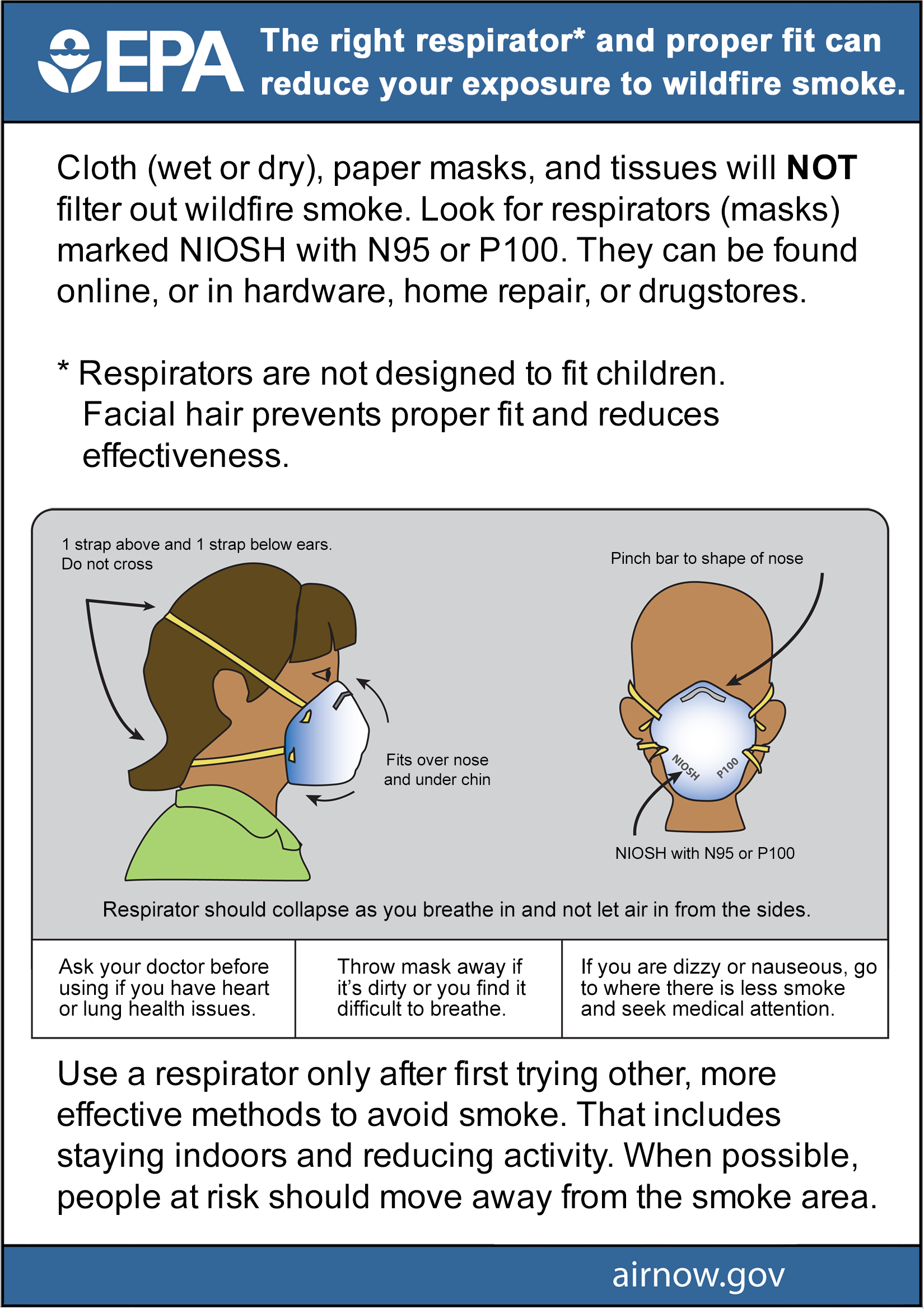
You should also consider keeping a supply of N95 respirator masks on hand. You can often purchase these masks in hardware stores or pharmacies. The Protect Your Lungs from Wildfire Smoke or Ash fact sheet and this infographic will help you choose the correct mask and wear it effectively.
What Can I Do During a Wildfire Smoke Event to Reduce My Family's Exposure to Smoke Indoors?
When wildfires create smoky conditions, there are things you can do, both indoors and outdoors, to reduce your family's exposure to smoke. Reducing exposure to smoke is important for everyone’s health — especially children, older adults, and people with heart or lung disease. The Reduce Your Smoke Exposure fact sheet describes what you can do both indoors and outdoors.
If local officials advise you to stay indoor
Take these actions in your home to reduce your smoke exposure:
Keep windows and doors closed
- Use fans and air conditioning to stay cool.
- If you cannot stay cool, seek shelter elsewhere.
Learn more about how to Protect Yourself from Smoke and Extreme Heat.
Reduce the smoke that enters your home
- If you have an HVAC system with a fresh air intake, set the system to recirculate mode, or close the outdoor intake damper.
- If you have an evaporative cooler that is safely accessible, completely cover the outside air intakes with 4-inch-thick high-efficiency (MERV 13) furnace filters. Note: the external filters may need to be replaced frequently due to wind or rain damage. If you cannot do this, use the evaporative cooler sparingly during smoky conditions because it can bring more smoke inside. Take advantage of times when outdoor air quality improves, even temporarily, to open windows and air out the house.
- If you have a window air conditioner, close the outdoor air damper. If you cannot close the damper, do not use the window air conditioner. Make sure that the seal between the air conditioner and the window is as tight as possible.
- If you have a portable air conditioner with a single hose, typically vented out of a window, use it sparingly in smoky conditions because it can result in more smoke being brought inside. If you have a portable air conditioner with two hoses, make sure that the seal between the window vent kit and the window is as tight as possible.
When the air quality improves, even temporarily, air out your home by opening windows or the fresh air intake on your HVAC system and run the exhaust fans in the kitchen and bathrooms.
Use a portable air cleaner, DIY air cleaner, and/or high-efficiency HVAC filter to remove fine particles from the air
- If you use a portable air cleaner, place it where people spend the most time and run it as often as possible on the highest fan speed.
- If you cannot get a portable air cleaner with a known CADR, you may choose to use a DIY air cleaner as an alternative.
- If you have an HVAC system with a high-efficiency filter installed, run the system’s fan as often as possible by setting the fan to "On" instead of "Auto" to remove particles while the air quality is poor.
- Check the filter(s) on your portable or DIY air cleaner or HVAC system frequently and change them when they appear dirty
Read the Indoor Air Filtration factsheet to learn more.
Avoid activities that create more fine particles indoors
- Smoking and vaping.
- Using gas, propane or wood-burning stoves and furnaces.
- Spraying aerosol products.
- Frying or broiling food.
- Burning candles or incense.
- Vacuuming, unless you use a vacuum with a HEPA filter.
- Avoid strenuous activity during smoky times to reduce how much smoke you inhale.
Learn more about reducing fine particles indoors.
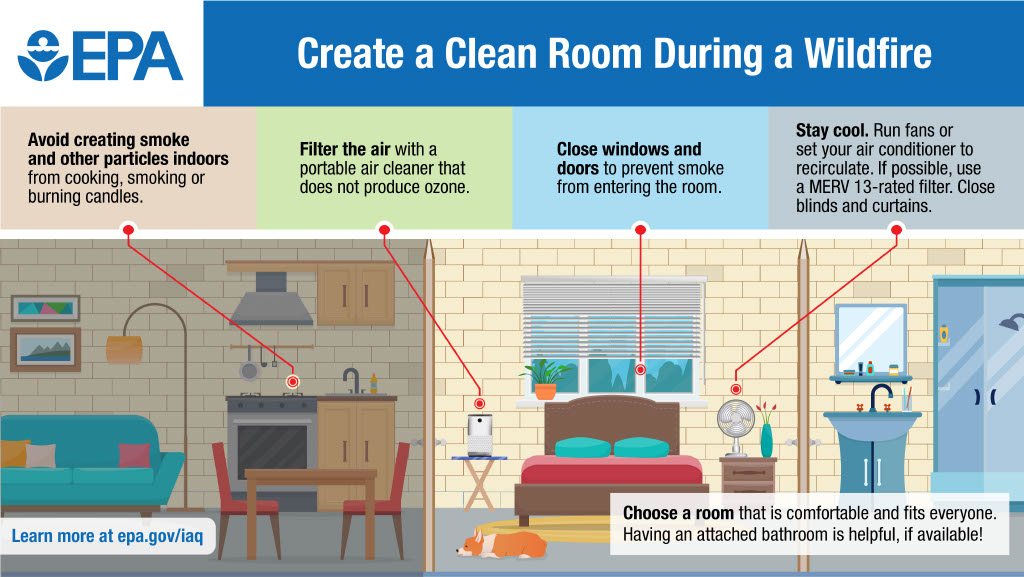
Create a Clean Room
Create a Clean Room Infographic
What Can I Do After a Wildfire Smoke Event to Protect My Family from Ash Indoors?
After the smoke clears, you may need to clean up ash or other debris left behind by the fire. The Protect Yourself from Ash fact sheet describes how you can protect yourself and your family and avoid getting ash in the indoor air while cleaning up.
Children, older adults, and people with heart or lung diseases, such as asthma, should not participate in cleanup work. Cleanup work can expose you to ash and other products of the fire that may irritate your eyes, nose, or skin and cause coughing and other health effects.
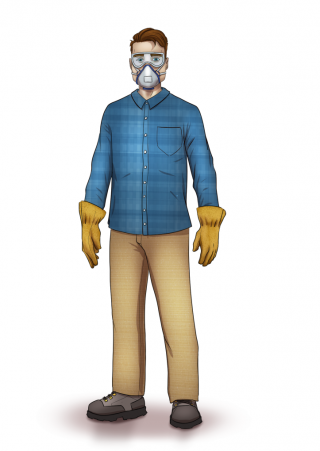
Wear gloves, long-sleeved shirts, long pants, shoes and socks to avoid skin contact with ash. Wear an N95 respirator to protect your lungs from breathing in ash. Change your shoes and clothing before you leave the cleanup site to avoid tracking ash offsite, into your car, or other places. To avoid tracking ash into clean indoor spaces, use doormats and clean them regularly. Remove shoes indoors when possible.
Ash deposited on surfaces both indoors and outdoors can be inhaled if it becomes airborne when you clean up. Avoid stirring up or sifting through ash as much as you can. Avoid actions that kick ash particles up into the air, such as dry sweeping. Before sweeping indoor and outdoor hard surfaces, mist them with water to keep dust down. Follow with wet mopping. Use a damp cloth or wet mop on lightly dusted areas. When you wet down ash, use as little water as you can. If you choose to vacuum dusty surfaces, use a high-efficiency particulate air (HEPA)-type vacuum.
You may consider having your air ducts cleaned after a fire, but EPA recommends that air ducts only be cleaned as needed. For example, you should consider having the ducts cleaned if you find that your ducts are clogged with excessive amounts of dust and debris and/or particles are actually released into your home from the supply registers. For more information on air duct cleaning, including choosing a service provider, see Should You Have the Air Ducts in Your Home Cleaned?
Additional Resources
Why is Coco Red?

Coco and his friends experience an air quality adventure. Read how Coco, his little sister and his friends solve a mystery as they learn about how wildfires can affect air quality and health. This book is for all children, especially those with asthma, and their caretakers.
Why is Coco Red? (PDF)
- EPA Resources about Wildfires and Indoor Air Quality
- EPA's Smoke-Ready Toolbox for Wildfires
- EPA’s Wildfire Study to Advance Science Partnerships for Indoor Reductions of Smoke Exposures (ASPIRE)
- EPA’s page on Wildfires
- AirNow Wildfires Landing Page
- Federal Partner Resources on Wildfires and Indoor Air Quality