


Environmental Benefits of Superfund Site Redevelopment
Supporting the restoration and beneficial reuse of Superfund sites is a vital part of EPA's mission to protect human health and the environment and provide access to clean air, land and water.

- Ecological Revitalization and Ecosystem Services
- Flood Mitigation and Stormwater Management
- Heat, Drought and Fires
- Built Environment
Ecological Revitalization and Ecosystem Services
Ecological reuse of Superfund sites allows communities to restore lost land, provides important habitat, creates green space, protects water resources, and helps remove the stigma associated with formerly contaminated lands.
Did You Know?
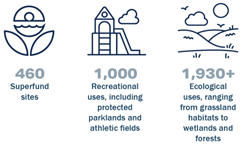
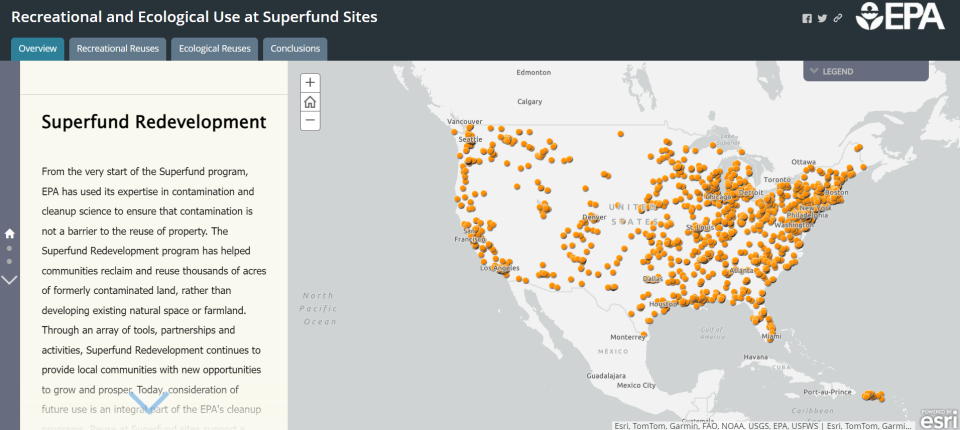
Superfund sites support a range of recreational and ecological uses.

StoryMap: Recreational and Ecological Use at Superfund Sites
This StoryMap series highlights recreational and ecological uses on Superfund sites.
Ecological revitalization is the process of returning a contaminated site to more natural conditions, similar to what existed before the property was disturbed. Industrial, commercial, mining and other uses of a property can contaminate soil, displace plants and animals, and disrupt the ways these organisms interact with each other and their environment. Revitalizing land into a meadow, forest or wetland can recreate habitats and other natural characteristics of the area. This process can give new life to a community through the creation of a new park, natural recreational area or nature preserve.
New and restored ecosystem services at Superfund sites can generate important economic benefits, supporting a range of services such as surface water purification and agricultural production.
Ecosystem Services at Superfund Sites: Reuse and Benefit to the Community (pdf) (31.6 MB)
This report provides information about ecosystem services at Superfund sites and the positive impacts of these services at Superfund sites across the country.
Superfund Site Reuse Successes:
- Atlas Tack – Fairhaven, Massachusetts (EPA Region 1)
- Avtex Fibers – Front Royal, Virginia (EPA Region 3)
- Bayou Verdine – Lake Charles, Louisiana (EPA Region 6)
- Bunker Hill Mining & Metallurgical Complex – Smelterville, Idaho (EPA Region 10)
- Croydon TCE – Bucks County, Pennsylvania (EPA Region 3)
- Landia Chemical Company – Lakeland, Florida (EPA Region 4)
- Loring Air Force Base – Limestone, Maine (EPA Region 1)
- Milltown Reservoir Sediments – Milltown, Montana (EPA Region 8)
- Palmerton Zinc Pile – Palmerton, Pennsylvania (EPA Region 3)
- Raleigh Street Dump – Tampa, Florida (EPA Region 4)
Flooding Mitigation and Stormwater Management
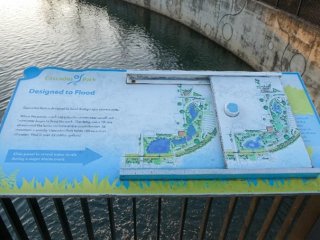
Superfund site reuse can help mitigate impacts associated with flooding, sea level rise and erosion. Examples of these reuses include restored wetlands as well as reefs, berms and revetments that minimize coastal erosion.
Green infrastructure – rain gardens, green roofs, porous pavement – is also used on sites to manage stormwater naturally, reduce flood risk, and improve air and water quality. Green infrastructure practices use plants, soil, landscape design and engineered techniques to retain, absorb, filter and reduce polluted stormwater runoff. These features cut down on the need to send stormwater into overburdened, aging sewer systems, while enhancing water quality and conservation, flood-risk mitigation, habitat diversity and access to green space.
Superfund Site Reuse Successes:
- American Cyanamid Co. – Bound Brook, New Jersey (EPA Region 2)
- Atlantic Wood Industries, Inc. – Portsmouth, Virginia (EPA Region 3)
- Cascade Park Gasification Plant – Tallahassee, Florida (EPA Region 4)
- Continental Steel Corp. – Kokomo, Indiana (EPA Region 5)
- Pemaco Maywood – Maywood, California (EPA Region 9)
- U.S. Titanium – Piney River, VA (EPA Region 3)
Heat, Drought and Fires
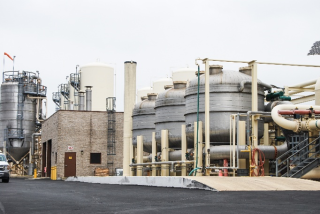
Site reuses can help address extreme heat, prolonged heat waves, increased frequency of wildfires and natural disasters by providing community emergency response centers, emergency shelters, cooling stations, public pools, splash pads and fire department facilities. Restored wetlands and constructed barriers help minimize coastal erosion and flooding.
The use of treated water can help mitigate drought, recharge aquifers, provide clean drinking water and provide water for irrigation. The need to preserve and recycle this valuable natural resource has never been greater.
Superfund Site Reuse Successes:
-
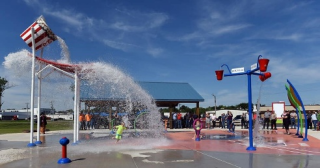
Splash pad at the Tar Creek (Ottawa County) Superfund site in Oklahoma. Former Nansemond Ordnance Depot – Suffolk, Virginia (EPA Region 3)
- Hudson River PCBS – Hudson River, New York (EPA Region 2)
- Iron Mountain Mine – Shasta County, California (EPA Region 9)
- Lexington County Landfill Area – Cayce, South Carolina (EPA Region 4)
- Lindsay Manufacturing Co. – Lindsay, Nebraska (EPA Region 7)
- Minot Landfill – Minot, North Dakota (EPA Region 8)
- Nebraska Ordnance Plant (Former) – Mead, Nebraska (EPA Region 7)
- Parkview Well – Grand Island, Nebraska (EPA Region 7)
- San Fernando Valley (Area 1) – North Hollywood, California (EPA Region 9)
- San Gabriel Valley (Area 2) – Baldwin Park, California (EPA Region 9)
-
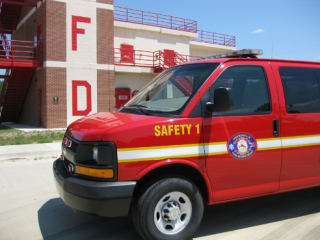
Fire training facility at the Vertac, Inc. Superfund site in Arkansas. Tar Creek (Ottawa County) – Northeast Oklahoma (EPA Region 6)
- Vertac, Inc. – Jacksonville, Arkansas (EPA Region 6)
Built Environment
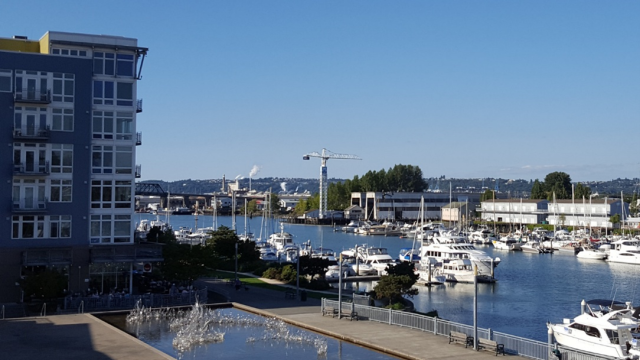
Reuse of Superfund sites delivers environmental benefits through the buildings we live in, the distribution systems that provide us with water and electricity, and the roads, bridges, and transportation systems we use to get from place to place. For example, mixed-use Superfund site redevelopment efforts can create walkable neighborhoods, provide access to public transportation, and strengthen quality of life for everyone. Examples of these reuses include transit stations and recreation trails, LEED-certified construction, water recycling and local energy production.
Superfund Site Reuse Successes:
- Commencement Bay, Near Shore/Tide Flats – Tacoma, Washington (EPA Region 10)
- Industri-Plex – Woburn, Massachusetts (EPA Region 1)
- Kennecott (South Zone) – Bingham Canyon, Utah (EPA Region 8)
- Li Tungsten Corp. – Glen Cove, New York (EPA Region 2)
- Midvale Slag – Midvale, Utah (EPA Region 8)
- Murray Smelter – Murray City, Utah (EPA Region 8)
- Roebling Steel Co. – Florence, New Jersey (EPA Region 2)
- Universal Oil Products (Chemical Division) – East Rutherford, New Jersey (EPA Region 2)