Superfund Redevelopment Program
EPA's Superfund Redevelopment Program works with communities nationwide to realize the reuse and redevelopment potential of Superfund sites, transforming formerly contaminated lands into valuable community resources.
An official website of the United States government
Here’s how you know
Official websites use .gov
A .gov website belongs to an official government organization in the United States.
Secure .gov websites use HTTPS
A lock () or https:// means you’ve safely connected to the .gov website. Share sensitive information only on official, secure websites.
Since 2011, EPA has tracked annual national economic benefits associated with reuse at Superfund sites. In 2024, EPA collected data showing that at 718 non-federal facility sites that are in reuse, 10,622 businesses are generating $71.8 billion in annual sales revenue. Those businesses employ 242,187 people who earn a combined estimated annual income of $20.3 billion.
Thanks in part to support from EPA regional offices, EPA's Superfund Federal Facilities program, EPA’s RE-Powering America’s Lands Initiative and redevelopment, more than 100 Superfund sites host energy facilities. Read the full 2024 Report (pdf) (833 KB). (Pictured left: oil terminal and transfer facility at the Tex-Tin Corp. Superfund site (pdf) (10.6 MB)).
2024 marks the completion of 500 reuse planning and technical support projects since the inception of EPA's Superfund Redevelopment Program in 1999.
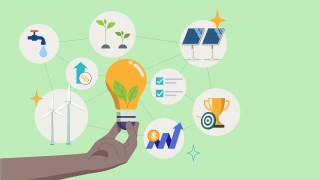
New or restored ecosystem services on Superfund sites can generate important economic benefits by supporting a range of services like surface water purification and agricultural production. Learn more about ecosystem services in action at Superfund sites and the positive impacts of these services at remediated sites across the country.
Ecosystem Services at Superfund Sites: Reuse and Benefit to the Community (pdf) (30.9 MB)
EPA's Superfund Redevelopment Program works with communities nationwide to realize the reuse and redevelopment potential of Superfund sites, transforming formerly contaminated lands into valuable community resources.
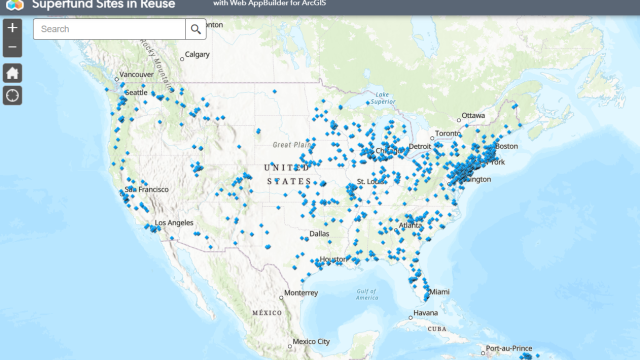
View information about sites in reuse in a specific Region or state, or use the map to browse sites in reuse near you.
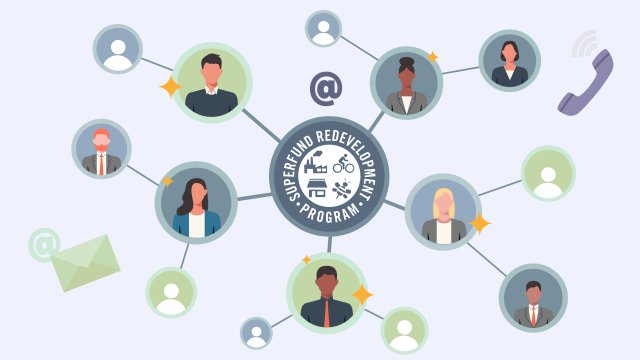
Reach out to a contact in your area for more redevelopment tools and resources.