


Getting Started with Superfund Redevelopment
Redeveloping a Superfund site can be a great opportunity. It also often requires different considerations than other contaminated sites such as brownfields. While the details of the process will vary depending on each site's location, features and history, it is important to consider the following key areas during the redevelopment process for Superfund sites.

- Gather Information About the Site Property.
- Contact EPA's Regional Superfund Redevelopment Coordinator.
- Explore Options for Involving Communities.
- Obtain Liability Protection Information and Lien Clarification.
- Consider an Appropriate Range of Future Uses.
- Identify Potential Barriers to Reuse.
- Address Potential Lender Concerns About Financing.
Gather Information About the Site Property.
Identify and contact the property owner(s).
The first step to site redevelopment or reuse is to learn if the property is available for use and reach out to the property owner to get more information on opportunities to buy or lease it. Private parties and corporations own most Superfund site properties. Some Superfund site owners are also Potentially Responsible Parties involved in the cleanups.
Consult the local property tax appraisal office or its online property databases to review local title and tax records to identify the owners by, if available. Some prospective purchasers obtain a title report from a title examiner. Title reports identify the owners and any liens or tax delinquencies on record.
Identify the site's cleanup status.
Learn about a Superfund site's cleanup plan and status by accessing EPA's Site Profile Page for the site through EPA's Superfund Enterprise Management System database. Search the database by typing in the site name or using one of the other search features. The Site Profile Page provides contact information for EPA staff assigned to work on the site and respond to public inquiries.
EPA recommends reviewing this site information:
- Status of environmental conditions.
- Future anticipated cleanup actions.
- Current or future restrictions on the use of the site property.
- Compatibility of the proposed use of the site property with any cleanup and land use restrictions.

It is also important to note whether the site is undergoing a short-term cleanup (a removal action site) or a long-term cleanup (a remedial action site). While both types of sites can be reused, the anticipated timelines for the cleanup will be very different. EPA recommends contacting the Superfund Redevelopment Coordinator for the your area where the site is located to discuss technical and legal considerations at removal and remedial sites (See below).
Review the site boundaries and relevant reuse information about the site.
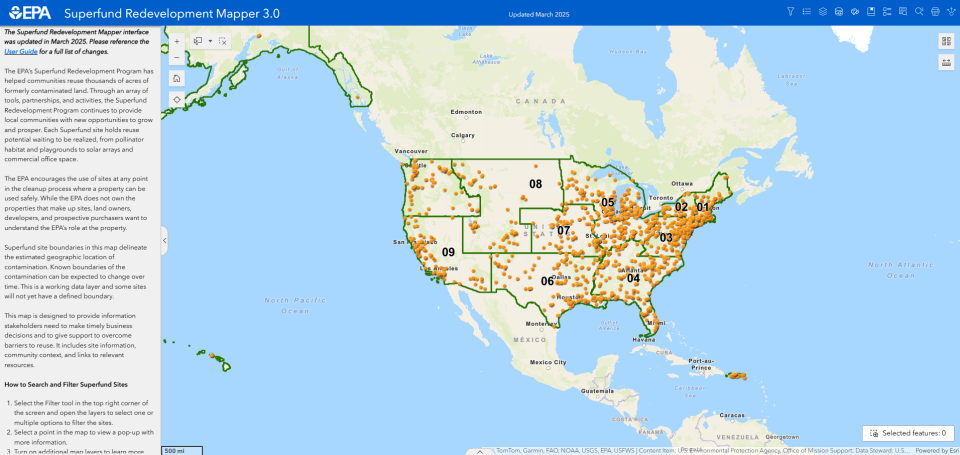
EPA's Superfund Redevelopment Mapper, a web-based mapping tool, helps stakeholders explore potential reuse opportunities. It provides users with Superfund site locations, boundaries, photos (as available), and options for adding data layers that highlight site features and site surroundings. Any existing GIS data layer can be added to the tool, allowing users to explore more information about their communities.
Access EPA's Superfund Redevelopment Mapper.
Contact EPA’s Redevelopment Expert for Your Area

EPA’s 10 regional offices have experts that can provide information on Superfund cleanup and reuse in your area and connect you with tools and resources to support redevelopment.
Find contact information and reach out on EPA’s website.
Contact EPA’s Regional Superfund Redevelopment Coordinator.
Reuse support and expertise are available from EPA's Superfund Redevelopment Coordinators.
For example, EPA’s Prospective Purchaser Inquiry Support Service is a free information service available to prospective purchasers, sellers, lessees and other stakeholders involved in redevelopment projects at Superfund sites. It provides interested parties with information on a range of cleanup-related topics, such as cleanup status and potential liability protections, to help people make timely and well-informed business decisions at sites. Comfort/status letters are also available and summarize key site information as well as other tools and support.
EPA’s Prospective Purchaser Inquiry fact sheet (pdf) (5MB) provides more information about this service.
More tools on purchasing and reusing Superfund sites include:
- Top Ten Questions to Ask When Buying a Superfund Site
- Comfort/Status Letters
- Ready for Reuse Determinations
- Prospective Purchaser Agreements
Explore Strategies for Involving Communities.

EPA relies on community input and involvement to understand local priorities and concerns during cleanup decision-making. Future users of a site and surrounding communities should coordinate with EPA to return sites to productive use without reducing the effectiveness of remedies put into place to protect human health and the environment.
EPA’s Superfund Redevelopment Program provides Redevelopment Technical Assistance and Reuse Planning Support to assist EPA site teams working with stakeholders and communities to facilitate redevelopment, remove barriers to productive reuse, and ensure future uses are well aligned with site cleanups.
EPA's Community Involvement Handbook provides guidelines on how EPA typically plans and implements community involvement activities at Superfund sites. The guidance in this Handbook can be combined with each site's Community Involvement Plan, which provides a background of the specific communities surrounding each site and provides a listing of resources to facilitate two-way communication and encourage community involvement in site activities.
Other EPA programs that assist communities during Superfund cleanups and redevelopment efforts include:
- Technical Assistance Services for Communities Program
- Superfund Technical Assistance for Communities
- Superfund Community Advisory Groups
Obtain Liability Protection Information and Lien Clarification.
The reuse of Superfund sites can raise complex legal issues such as obtaining federal Superfund liability protection before taking title or a leasehold to a site property and resolving any EPA liens that may impact the property.
In most cases, federal liability protection issues can be addressed using a variety of self-implementing liability protections through the Superfund law or through agreements made available by EPA. Learn more about Addressing Liability Concerns to Support Cleanup and Reuse of Contaminated Properties.
Prospective purchasers can also request that EPA clarify whether it has a lien or potential lien on a site property to recover its past cleanup costs. EPA liens can be resolved by entering into an agreement with EPA and may be negotiable. Liability protection options and lien issues can be discussed during Prospective Purchaser Inquiry Support Service calls with EPA and incorporated into comfort/status letters (see above).
Consider an Appropriate Range of Future Uses.
During the planning states of Superfund cleanup, each site is evaluated through a reuse assessment to identify the reasonably anticipated future land use for each specific area of the site. These assessments help EPA's site teams develop remedies that include both engineered and institutional controls that will support future uses, such as industrial, commercial or residential. While this information is a good starting point, keep in mind that EPA does not control local zoning or other land use regulations and broader changes to the surrounding community may have occurred since the time of the assessment.
As part of thinking through the reuse of a site property, you may want to review examples of successful reuse and redevelopment projects at other Superfund sites. EPA’s Superfund Redevelopment Program has a variety of materials available that share the benefits and outcomes of site reuses as well as the perspectives of diverse stakeholders at these sites:
- Economic Impacts
- Environmental Benefits
- Community Revitalization
- Energy Production
- Reuse at Sites with Tribal Involvement
- Award-Winning Stories
EPA also has technical reports that explore specialized topics related to the redevelopment of Superfund sites for specific uses.
Identify Potential Barriers to Reuse.
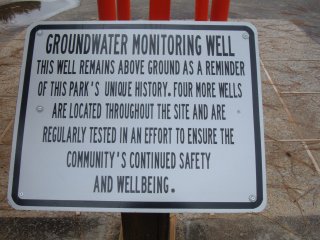
Successful reuse projects often require addressing barriers that may inhibit certain types of development. For example, some site properties are subject to institutional controls, such as restrictive covenants, that may limit specific uses. Sometimes the design of a remedy, such as an engineered landfill cap, may prohibit building on parts of a site.
EPA and state and local agencies can best assist with addressing potential barriers if they are aware of your site reuse plans during the early stages of cleanup. To learn more about potential reuse barriers, review EPA’s Site Profile Page for your site or contact the appropriate state or local agency.
Disclaimer: EPA is not able to offer guarantees or assurances to prospective purchasers about the compatibility of their redevelopment plans with the site cleanup. EPA can generally discuss redevelopment plans with prospective purchasers and identify obvious incompatibilities. The burden of not impeding or injuring the cleanup remedy is solely the prospective purchaser’s responsibility.
Address Potential Lender Concerns about Financing.
The Superfund law provides specific liability protections to lenders supporting the purchase of Superfund sites. However, lenders may have concerns about financing the redevelopment of contaminated properties. EPA is available to communicate with buyers and their lenders to address any concerns. EPA has many tools to help alleviate potential lenders’ concerns about financing contaminated properties. They include: