


Hot topics in Washington
Learn about some of EPA's priority work in Washington.
Cosmo Specialty Fibers time-critical removal action
EPA, in coordination with the Washington State Department of Ecology, has begun a time-critical chemical removal action at the dormant Cosmo Specialty Fibers pulp mill in Cosmopolis, Washington.
- Learn more about EPA's response at Cosmo Specialty Fibers.
Lower Yakima Valley groundwater
Nitrate contamination is a concern throughout the Lower Yakima Valley. EPA is urging well testing if you live in an area north of Granger, Washington. Visit the web page referenced below or call EPA at 206-676-4250 for more information.
- Learn more about nitrates in lower Yakima Valley groundwater.
Puget Sound
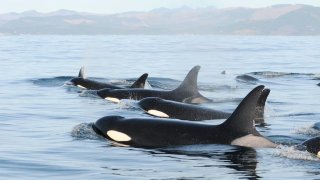
Since 2010, Congress has appropriated over $350 million in Clean Water Act funds for Puget Sound.
- Learn more about EPA funding for Puget Sound recovery.
The Health of the Salish Sea Ecosystem Report is a collaboration between the U.S. EPA and Environment and Climate Change Canada to report to the public on the health of our shared marine ecosystem, which includes Puget Sound and the Strait of Juan de Fuca.
- Learn more about the Salish Sea Ecosystem Report.
Columbia River
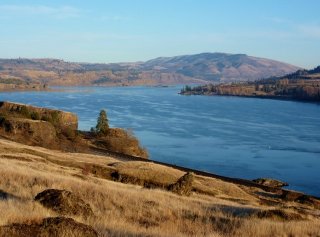
Congress established the Columbia River Basin Restoration Program in 2016. It was the first legislation to officially designate the national importance of restoring the Columbia River Basin, one of our nation’s largest watersheds.
- Learn more about EPA's Columbia River Basin Restoration Program
Spokane River PCBs
EPA has established Total Maximum Daily Loads (TMDLs) – or a "pollution budget" – to reduce the amount of PCBs in the Spokane and Little Spokane Rivers in Washington.
- Learn more about EPA's Spokane River PCB TMDLs.
Transboundary mining pollution
Eight organizations will receive $1,749,700 through EPA’s Transboundary Watershed Grant Program to monitor and reduce transboundary mining pollution in U.S.-British Columbia transboundary watersheds, including the Confederated Tribes of the Colville Reservation.
Read EPA's transboundary watershed grant announcement.
Superfund
Lower Duwamish Waterway
The Lower Duwamish Waterway Superfund site is a five mile segment of Seattle’s only river, the Duwamish. The waterway has served as Seattle’s major industrial corridor since the early 1900s, which has caused sediments in the river bottom to be contaminated with toxic chemicals.
- Learn more about the Lower Duwamish Waterway Superfund site.
Hanford
The Hanford site is 586-square-miles and was created in 1943 as part of the Manhattan Project to produce plutonium for nuclear weapons. The U.S. Department of Energy, EPA, and the Washington Department of Energy signed a federal facility agreement in 1989 and continue to work together on cleanup.
- Learn more about the Hanford Superfund site.
Upper Columbia River
Historic discharges of wastes and emissions from smelter operations have contaminated portions of the Upper Columbia River. EPA listed the site on the Superfund cleanup list in 2024.
- Learn more about the Upper Columbia River Superfund site.
Find more Superfund sites in Washington.
Tribal programs
EPA's Region 10 office serves 271 federally recognized Tribes, including 29 Tribes in Washington.
- Learn more about EPA Region 10's Tribal programs.