


Region 7 Science Program
What is the Regional Science Program?
The Regional Science Program links EPA's Office of Applied Science and Environmental Solutions (OASES) with EPA's Regional Offices and emphasizes building networks and partnerships between Regional and OASES scientists, effectively transferring research results on high-priority regional science issues and conducting science outreach to the states, tribes, and communities.
- Success Stories
- OASES Research and Small Business Funding Opportunities
- Upcoming OASES Events, Webinars and Training
- OASES Publications, Products, Resources and Toolkits
EPA Region 7’s Science Priorities are currently being updated to reflect Administration Priorities.
Success Stories
Region 7 Science Program Research – ROAR 2674
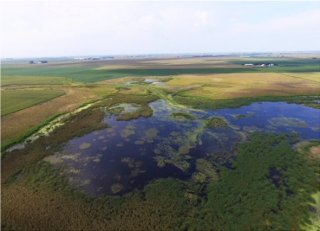
Managing the environmental impacts of both active and retired mines is a complex challenge. Understanding how trace metals move and spread is essential to developing effective strategies for cleanup and reduction of contamination. In the Tri-State Mining District (TSMD), a region historically affected by lead and zinc mining, experts are working to address these issues across three states, nine tribes, and numerous communities across EPA Regions 6 and 7.
To find the best solutions, the Region 7 Superfund Remedial Project Managers and the Office of Research & Development used a sophisticated modeling tool called the Watershed Analysis Risk Management Framework (WARMF). This tool helps evaluate different remediation strategies, such as re-vegetation, buffer strips, and sediment traps, in the Center Creek area, which is part of the Spring River Subbasin. Their research aimed to identify the most effective methods to reduce zinc contamination in streams and sediments.
They found that re-vegetation could significantly lower zinc levels in streams during the Fall and Summer, potentially reducing the particulate zinc fraction. While there were no significant differences in total and dissolved zinc concentrations or daily zinc loads across all seasons, re-vegetation showed the most promise in reducing zinc during specific times of the year. This work supports ongoing efforts to clean up contaminated sites and helps identify the best strategies for minimizing heavy metal transport to downstream areas. By comparing different remediation scenarios, the team is contributing valuable insights to guide future cleanup efforts and improve environmental health in affected communities.
OASES Research and Small Business Funding Opportunities
EPA Research Grants – EPA’s Research Grants Program aims to stimulate and support scientific and engineering research that advances EPA’s mission to protect human health and the environment.
- Research Grant Topics (on left at link above): Air Research, Ecosystems Research, Health Research, Safer Chemicals Research, Sustainability Research, and Water Research
- Opens and closes: See “Open Funding Opportunities” at link above
- Award amounts: Vary by topic
If you are interested in receiving email Research Grants updates on research funding opportunities, sign up on EPA’s website.
Upcoming OASES Events, Webinars and Training
- Wednesday, Feb. 11, 2026, from 1 to 2 p.m. CDT
- Register here
Contaminated Site Clean-Up Information – Microplastics Training
- Thursday, Feb. 12, 2026, from 12 to 2 p.m. CDT
- Register here
Contaminated Site Clean-Up Information – Sediment Cap Chemical Isolation Training
- Tuesday, Feb. 17, 2026, from 12 to 2 p.m. CDT
- Register here
- Wednesday, Feb. 18, 2026, from 1 to 2 p.m. CDT
- Register here
EPA Tools and Resources Webinar Series – America's Children and the Environment
- Wednesday, Feb. 18, 2026, from 2 to 3 p.m. CDT
- Register here
- Tuesday, Feb. 24, 2026, from 12 to 2 p.m. CDT
- Register here
- Wednesday, Feb. 25, 2026, from 12 to 2 p.m. CDT
- Register here
- Thursday, Feb. 26, 2026, from 12 to 2 p.m. CDT
- Register here
OASES posts upcoming events, webinars and training several months in advance, which EPA's research staff is participating in, hosting, or supporting in other ways.
Check out the EPA Research Events page often for updates.
OASES Publications, Products, Resources and Toolkits

Children's Health – Children’s Health is now under the OASES as Children’s Health Protection Division (CHPD). CHPD’s fundamental goal is to ensure that all EPA actions and programs address the unique vulnerabilities of children.
CHPD uses science to inform solutions that strengthen protections for children throughout all stages of their development, and provides interagency leadership, strengthen partnerships, and expands outreach for an effective, coordinated, and cooperative approach to protecting America’s children. For more information, click OASES-CHPD.
- EPA Tribal Research Resources
- EPA Science Inventory for Publications
- EPA Science Models and Research Tools (SMaRT)
- EPA Science Matters Newsletter
- EPA Resources to Support States
- EPA Participatory Science for Environmental Protection
- Updates to Regional Environmental Health Data Visualization Application (REHD) Tool
Story Map
Region 7 Science Program’s Research Projects
In this story map, you can learn about the Region’s collaborative research projects that address environmental and health concerns. Extensive details and interactive maps about the 40-plus projects are in six categories: Water, Air, Cleanup and Remediation, Tool/Method Development, Contaminants of Concern, and SBIR/P3/STAR.