


EPA Science Matters Newsletter
-
Improvements to ToxCast

March 12, 2025 - A new database release package for EPA's Toxicity Forecaster allows researchers to understand chemical hazards efficiently.
-
EPA and USGS Collaboration on Cyanotoxins
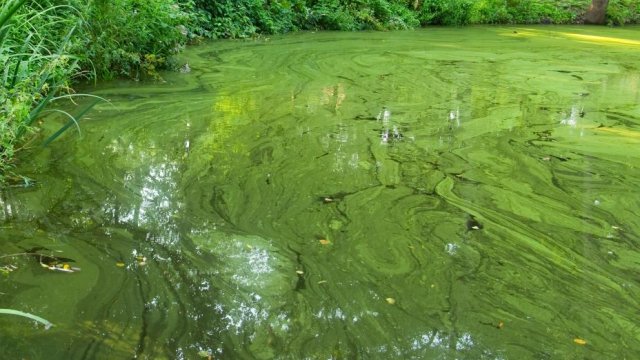
March 12, 2025 - EPA researchers collaborated with scientists from the U.S. Geological Survey on a study to look at innovative methods for identifying and tracking the cyanobacteria most likely to produce cyanotoxins in rivers.
-
Air Quality Research
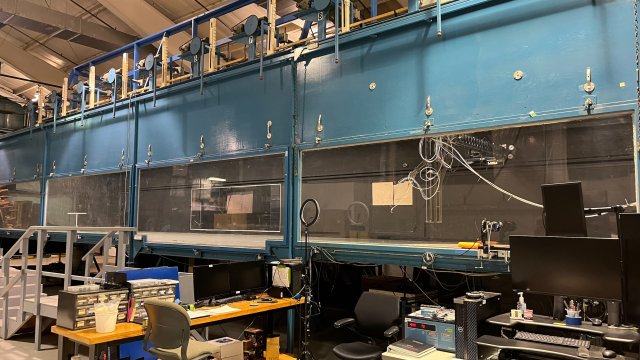
February 11, 2025 - At EPA's meteorological wind tunnel facility in North Carolina, researchers use scaled models to simulate the spread of harmful airborne material released in urban and industrial settings.
More Stories
In The Field: EPA Program Brings Environmental Experts to Rhode Island
January 16, 2025 - Environmental protection works better when we work together. EPA recently hosted state and Tribal environmental experts at the Narragansett, Rhode Island, lab to talk about collaborative research opportunities, science priorities, and cross-cutting issues. Read In The Field: EPA Program Brings Environmental Experts to Rhode Island.
New Biomarkers: Advancing Our Knowledge of Children’s Neurodevelopment and Chemical Exposures
January 16, 2025 - Methods for monitoring the impact of chemical exposures on the developing brain can be expensive and time-consuming. EPA researchers developed a way to view a real-time assessment of brain health using microRNAs as a non-invasive biomarker from a small blood sample. Biomarkers can be used to evaluate exposure to different chemicals and their mixtures, providing a more accurate representation of what people experience in everyday life. Read New Biomarkers: Advancing Our Knowledge of Children’s Neurodevelopment and Chemical Exposures.
Community-Based Research in Rural Alaska Native Communities Informs Hazardous Waste Disposal Technology
January 16, 2025 - Managing waste in remote areas can present unique challenges. To get rid of waste, some communities employ an approach known as “backhaul," which involves transporting cargo on a barge or plane’s return trip when it would otherwise be empty. Read about how EPA researchers and partners produced a mobile app to help support backhauling needs for Alaskan communities and Tribes. Read Community-Based Research in Rural Alaska Native Communities Informs Hazardous Waste Disposal Technology.
International Research Collaboration Identifies Previously Unknown Chemical Compound in Drinking Water
December 17, 2024 - An EPA researcher and collaborators recently solved a 40-year-old mystery: they characterized an unidentified disinfection byproduct (DBP). Water disinfection plays a critical role in safeguarding public health by fighting against waterborne diseases, but disinfectants such as chlorine can react with organic and inorganic material in water to form harmful DBPs. Read International Research Collaboration Identifies Previously Unknown Chemical Compound in Drinking Water.
Empowering Tomorrow’s STEM Leaders: EPA’s Community Engagement & STEM Education Program Celebrates 20 Years
December 17, 2024 - For 20 years, EPA’s Community Engagement & STEM Education Program (CE-STEM) has brought EPA science to classrooms and community spaces in central North Carolina. With the help of EPA employee volunteers, CE-STEM has reached over 385,000 students, educators and community members through outreach at K-12 schools, universities, community events and on the EPA-RTP campus. Read Empowering Tomorrow’s STEM Leaders: EPA’s Community Engagement & STEM Education Program Celebrates 20 Years.
Using Spectral Flow Cytometry to Combat Harmful Algal Blooms in Drinking Water
December 2, 2024 - EPA researchers are developing new methods to evaluate the treatment of algae and cyanobacteria in drinking water systems. Cyanobacteria are found in many waterbodies, are naturally occurring, and are important to water ecosystems; however, excessive growth of some cyanobacteria can result in harmful cyanobacterial blooms. By exposing cyanobacteria to hydrogen peroxide, a common chemical used to control algae growth entering water treatment plants, EPA researchers observed how the chemical affected cyanobacteria's cellular processes. Read Using Spectral Flow Cytometry to Combat Harmful Algal Blooms in Drinking Water.
EPA Researchers Use Novel Methods to Discover PFAS in Wildlife and Pets in Cape Fear River Region
December 2, 2024 - Flowing for about 200 miles, the Cape Fear River runs from central North Carolina all the way to the Atlantic. EPA researchers used state-of-the-art technology to detect and measure PFAS in wildlife and pets located in the Cape Fear River region. Read EPA Researchers Use Novel Methods to Discover PFAS in Wildlife and Pets in Cape Fear River Region.
EPA Releases SeqAPASS Version 8
November 13, 2024- Human and environmental risk assessments for chemicals use a limited number of model species to test for potential toxicity. Due to limited testing resources, an international push to reduce animal testing, and the need for faster chemical evaluations, there is increasing demand for effective predictive approaches that maximize the use of existing data. EPA released the 8th version of Sequence Alignment to Predict Across Species Susceptibility (SeqAPASS), which is an online screening tool that allows users to rapidly extrapolate toxicity information across animal species. Read EPA Releases SeqAPASS Version 8.
AAAS and ASPPH Fellows at EPA
November 13, 2024- Interested in policy and public health fellowships at EPA? EPA holds cooperative agreements with professional organizations to sponsor fellowship programs, including the American Association for the Advancement of Science's EPA Science and Technology Policy Fellowship and the Association of Schools and Programs of Public Health's Environmental Health Fellowship. Several current and past participants of these fellowship programs shared their experiences and accomplishments from their time at the agency. Read about AAAS and ASPPH Fellows at EPA.
EPA Researchers Develop a Chemical Category-Based Approach to Prioritize PFAS for Data Collection
October 29, 2024- Thousands of PFAS that have been introduced to the environment. However, only a handful have been characterized for their potential toxicity, leaving the vast majority unstudied. EPA researchers developed a chemical category-based approach to help prioritize PFAS for further data collection efforts. Read EPA Researchers Develop a Chemical Category-Based Approach to Prioritize PFAS for Data Collection.
Can Creatures of the Deep Help Track Forever Chemicals in Our Oceans?
October 29, 2024- From the tropics to the poles, whales glide through the deep, dark oceans, silently looking for their next meal. Some species of whales have baleen, which are keratin plates that grow down in vertical rows from a whale’s upper jaw instead of teeth. EPA researchers are studying if whale baleen can help track PFAS in our oceans. Read Can Creatures of the Deep Help Track Forever Chemicals in Our Oceans?
Bat Chats! Sharing the Role of an Important Native Pollinator
October 29, 2024- Though bats are emblematic of Halloween themes, they are also important native pollinators and help control pests. Through EPA’s Bat Chats speaker series, A.J. Blackburn helps educate students in Research Triangle Park, North Carolina, about the valuable role bats play in our ecosystem. Read Bat Chats! Sharing the Role of an Important Native Pollinator.
Current Affairs: Studying Oil Spills in Freshwater Streams
October 15, 2024- At EPA’s unique Experimental Stream Facility (ESF) just east of Cincinnati, Ohio, a large high-bay laboratory space is filled with 16 stream channels, each nearly 30 feet long and equipped with a variety of monitoring instruments. Researchers can use this system of engineered streams – or mesocosms – to study the effects of emerging contaminants, nutrients, and other pollutants on an entire stream ecosystem. This summer, researchers conducted a study at the facility to understand the ecological impacts of oil spills in freshwater ecosystems. Read Current Affairs: Studying Oil Spills in Freshwater Streams.
EPA Research Provides Important Information on Health Effects of Perchlorate Exposure
October 15, 2024- Perchlorate occurs naturally or can be manufactured and used as an industrial chemical. It has been detected at varying levels in drinking water, groundwater, surface water, food, soil, and sediment across the U.S. EPA researchers published several papers that examine how maternal perchlorate ingestion in animal toxicity studies may alter the fetal thyroid system and the developing brain. Read EPA Research Provides Important Information on Health Effects of Perchlorate Exposure.
EPA Researchers Explore Brownfield Revitalization’s Effects on Communities
October 1, 2024 - Brownfields are underused properties where expansion, reuse, or redevelopment is complicated due to the presence or potential presence of a hazardous substance, pollutant, or contaminant. Cleaning up these sites offers several benefits to the community, but there are also concerns that some residents may be impacted in unforeseen ways. EPA researchers collected and analyzed neighborhood-level data in four neighborhood areas with brownfields and explored the impacts of brownfields cleanup and reuse. Read EPA Researchers Explore Brownfield Revitalization’s Effects on Communities.
In The Field with EPA: EPA Networking Program Leads to Eelgrass Sampling in New Jersey
September 17, 2024 - Eelgrass meadows, the dominant seagrass species in the northeastern United States, provide food and habitat for countless organisms, as well as erosion control and many other benefits to humans and the ecosystem. EPA scientists and partners have been exploring eelgrass restoration and protection. The collaborative research team met at EPA’s 2023 ROCS-Net, an event that provides an opportunity for EPA regional staff and partners to learn more about ORD. Read In The Field with EPA: EPA Networking Program Leads to Eelgrass Sampling in New Jersey.
Stormwater Modeling to Prepare for Biological and Radiological Emergencies
September 17, 2024 - EPA researchers developed stormwater models to help state and local emergency stormwater community predict and mitigate transport of bio agents and radionuclides. These models identified how contamination could be transported and discharged throughout the locations following a rain event. This information could be used by emergency response teams to identify the most impacted portions of infrastructure and inform decisions to prioritize cleanup, monitoring and treatment, and restrict entry points. Read Stormwater Modeling to Prepare for Biological and Radiological Emergencies.
Recycled Glass: EPA-Funded Technology Provides a Renewable Alternative to Concrete in New York
September 3, 2024 - An old glass jar, bottle, or container that you've recycled may be making it's way into a sidewalk! NY-based KLAW Industries has used EPA Small Business Innovation Research (SBIR) funding to develop their innovative technology that uses recycled glass to create concrete. Their lower-emissions cement was recently selected for use in a project in Whitney Point, NY, for sidewalks, curbs, and barriers in the new U.S. Route 11 bridge as well as 1.5 miles of new sidewalks on US Route 11. Read Recycled Glass: EPA-Funded Technology Provides a Renewable Alternative to Concrete in New York.
Sowing Seeds for Cleaner Air: How EPA Researchers are Addressing Air Pollution at Chicago Area Schools
September 3, 2024 - Roadside trees and foliage can clean air by trapping pollutants on leaves and branches or forcing air up and away from people. EPA researchers are working with partners in the Chicago metropolitan area to study how these types of vegetative barriers can help improve air quality inside and outside of schools. Read Sowing Seeds for Cleaner Air: How EPA Researchers are Addressing Air Pollution at Chicago Area Schools.
CtxR: New Tool Helps Researchers Working with Data for Many Chemicals at a Time
September 3, 2024 - Accessing chemical data is a vital step in chemical, biological, and environmental modeling. EPA data scientists developed ctxR, an R package that allows researchers to easily query chemical data from the CompTox Chemicals Dashboard in transparent, reproducible programmatic workflows. Read CtxR: New Tool Helps Researchers Working with Data for Many Chemicals at a Time.
How EPA Scientists Use Fish eDNA to Assess Estuarine Health
August 20, 2024 - EPA researchers are exploring environmental DNA (eDNA) sampling as a modern approach for collecting basic fish community information. This DNA material can be readily obtained from water, sediment and other environmental samples with minimal disturbance to fish or other wildlife. eDNA techniques are promising as a more efficient way to examine the distribution of biological communities in a natural setting. Read How EPA Scientists Use Fish eDNA to Assess Estuarine Health.
High-Risk, High-Reward Research with EPA’s Pathfinder Innovation Projects
August 20, 2024 - EPA scientists are using Pathfinder Innovation Projects to pursue innovative research questions. Learn about a few of these projects, including developing a "brain on a chip", efforts to improve water quality monitoring and detecting how fungus spores may move through wildfire smoke. Read High-Risk, High-Reward Research with EPA’s Pathfinder Innovation Projects.
EPA Scientists Update REal TIme Geospatial Data Viewer (RETIGO) Web Tool
August 7, 2024 - EPA’s recently updated REal TIme Geospatial Data Viewer (RETIGO) is a free, open-access web tool that can be used to explore air quality data collected via stationary or in-motion sensors. The tool allows users to plot their air quality data and view it alongside data from EPA monitors, public air sensors, meteorological stations, and satellites. Read EPA Scientists Update REal TIme Geospatial Data Viewer (RETIGO) Web Tool.
Where Rubber Meets the Road: EPA Researchers Study the Environmental and Health Impacts of Tires
August 7, 2024 - The issue of tire pollution is complex, as every step of a tire’s life cycle, from production to use to disposal, can impact our environment, health and wildlife. To address the growing concerns over tire pollution and a specific pollutant known as 6PPD-quinone, EPA researcher Dr. Paul Mayer led an effort to investigate the life cycle of tires and their impacts on the environment. Read Where Rubber Meets the Road: EPA Researchers Study the Environmental and Health Impacts of Tires.
Nature’s Lawnmowers: How One EPA Facility Uses Goats for Eco-Friendly Landscaping
July 23, 2024 - At EPA's Narragansett, Rhode Island laboratory, the sounds of summer include goat bleating. Since 2016, EPA’s Narragansett facility has hosted annual visitors from a local organization that brings in a team of rescue goats to clear the grounds of any unwanted or overgrown plants. Read Nature’s Lawnmowers: How One EPA Facility Uses Goats for Eco-Friendly Landscaping.
See a Bloom, Give it Room! Celebrating Lake Month with EPA’s Harmful Algal Blooms Research
July 23, 2024 - July is Lakes Appreciation Month! Some lakes have a very significant threat: harmful algal blooms (HABs). EPA researchers are looking for ways to reduce the negative effects of HABs on human and environmental health and the economy through research on causes, monitoring, mitigation, and treatment of HABs and the assessment of adverse health outcomes from exposure to HABs. Read See a Bloom, Give it Room! Celebrating Lake Month with EPA’s Harmful Algal Blooms Research.
EPA Researchers Develop Forecasting Approach to Predict Harmful Cyanobacterial Blooms for U.S. Lakes
July 23, 2024 - Freshwater cyanobacteria are found in all lakes and reservoirs, are naturally occurring, and are important to water ecosystems; however, excessive growth of some cyanobacteria can result in harmful cyanobacterial blooms. It can be difficult to predict when and where these blooms may form. Throughout this HABs season, EPA scientists will beta test a model that forecasts the probability of cyanoHABs for 2,192 U.S. lakes. Read EPA Researchers Develop Forecasting Approach to Predict Harmful Cyanobacterial Blooms for U.S. Lakes.
Testing the Waters: EPA Researchers Study the Changing Nitrogen Landscape in Streams
June 25, 2024 - Air quality regulations have led to improved air quality over the last several decades, including a decline in nitrogen and sulfur atmospheric deposition across many areas of the U.S. EPA researchers and collaborators used data from the National Aquatic Resource Surveys and the National Nutrient Inventory to analyze streams in the contiguous U.S. and explore the relationship between air quality improvements and stream chemistry. Read Testing the Waters: EPA Researchers Study the Changing Nitrogen Landscape in Streams.
Mapping Moving Mangroves
June 11, 2024 - Mangrove forests provide a number of ecosystem benefits such as preventing coastal erosion, reducing storm surges, and supporting habitats for endangered species such as manatees. EPA researcher Dr. Chandra Giri has dedicated years to studying the changes affecting mangrove ecosystems. Read Mapping Moving Mangroves.
How Do Beaver Dams Affect Water Quality?
June 11, 2024 - Considered nature’s engineers, beavers can alter their environments in many ways, especially through dam construction. Because stream ecosystems are complex, it can be difficult to understand how disturbances and changing environmental conditions will impact the ecosystem. EPA scientists and collaborators conducted a scientific literature review to better understand how beaver dams impact stream systems across different biogeographical regions. Read How Do Beaver Dams Affect Water Quality?
EPA Expands Air Monitoring Capabilities to Support Wildfire-Impacted States, Tribes and Their Frontline Firefighters
May 28, 2024 - EPA is helping communities monitor air quality during wildfires to protect the public from the health risks of smoke exposure. As part of this effort, EPA launched the Wildfire Smoke Air Monitoring Response Technology (WSMART) Pilot to quickly get air quality information into the hands of air quality and public health officials during wildfires. Read EPA Expands Air Monitoring Capabilities to Support Wildfire-Impacted States, Tribes and Their Frontline Firefighters.
Tracking Groundwater Remediation Efforts Using Rare Earth Elements
May 28, 2024 - Groundwater remediation is commonly done with a permeable reactive barrier (PRB), which is a wall created below the ground that allows groundwater to flow through it. EPA scientists developed a new method to use patterns of rare earth elements to understand whether the contaminated groundwater interacted with the PRB as intended. Read Tracking Groundwater Remediation Efforts Using Rare Earth Elements.
EPA Adds Performance Testing Protocols and Targets for NO2, CO, SO2 and PM10 Air Sensors
May 14, 2024 - Data quality from commercially available, lower-cost air sensors can widely vary, and, with no consistent methods to evaluate their performance, users can have a hard time knowing how their sensor data compares to that of regulatory air monitors. EPA researchers recently published two supplemental reports designed to provide a consistent set of testing protocols, metrics, and target values to evaluate the performance of air sensors and offer fillable templates for reporting testing results. Read EPA Adds Performance Testing Protocols and Targets for NO2, CO, SO2 and PM10 Air Sensors.
EPA Scientist Serves as Air Resource Advisor Trainee at the Lookout Fire
April 30, 2024 - The U.S. Forest Service-led Interagency Wildland Fire Air Quality Response Program trains air resource advisors (ARAs) to serve on wildfire incident management teams. EPA researcher Amara Holder was deployed as an ARA trainee to the Lookout Fire in Oregon’s Willamette National Forest. Read EPA Scientist Serves as Air Resource Advisor Trainee at the Lookout Fire
Cleaning Indoor Air During Wildfires: A Push for Innovative Solutions
April 30, 2024 - EPA innovation programs help turn ideas into tangible solutions that protect public health. Through the Small Business Innovation Research program and the Challenges and Prizes program, EPA offers prizes and seed funding to support promising technologies at every stage of the development process. Read Cleaning Indoor Air During Wildfires: A Push for Innovative Solutions.
EPA Scientists Contribute to Paper in Nature that Shows Common Household Chemicals May Disrupt Brain Development
April 16, 2024 - EPA scientists contributed to the development of data on over 1,800 compounds using a high-throughput developmental screen. Their research found that quaternary compounds, a class of chemicals that are common in personal care products and disinfectants, may disrupt brain development in children. Read EPA Scientists Contribute to Paper in Nature that Shows Common Household Chemicals May Disrupt Brain Development.
Supporting Participatory Science for Environmental Protection
April 2, 2024 - April is Participatory Science Month! Together, EPA and communities protect human health and the environment by using participatory science to inform environmental decision-making on local, regional, and national scales. Read Supporting Participatory Science for Environmental Protection.
Advancing Environmental Safety: Celebrating 20 years of Nanotechnology Research at EPA
April 2, 2024 - Nanomaterials are extremely small particles that measure between one and 100 nanometers in size. With the ever-increasing commonality of these materials, it is important to understand associated risks. EPA develops science and processes to evaluate the human health and ecological safety of products containing nanomaterials to estimate their potential environmental impact. Read Advancing Environmental Safety: Celebrating 20 years of Nanotechnology Research at EPA.
EPA Researchers Develop Method for Studying Agricultural Nutrient Pollution in the Midwest
March 19, 2024 - Nutrient pollution is one of the most pressing issues currently facing U.S. waterways. EPA researchers are studying when, and to what extent, these nutrients enter Midwestern waterbodies. Research results may be used by state and federal agencies to emphasize the importance of proper fertilizer application rates and to recommend safe thresholds for nitrogen- and phosphorus-based fertilizers. Read EPA Researchers Develop Method for Studying Agricultural Nutrient Pollution in the Midwest.
Celebrating Women's History Month
March 19, 2024- March is Women’s History Month! Women working in EPA’s Office of Research and Development provide advice for young people interested in careers like theirs. Read Celebrating Women's History Month.
Sustainable Treatment System Caps Off Cleanup at Elizabeth Mine Superfund Site
March 19, 2024- The Elizabeth Mine site is an abandoned copper mine located in Vermont and was added to the Superfund National Priorities list in 2001. EPA researchers worked with a team of other experts on the cleanup efforts to solve complex problems at the abandoned mine site. Read Sustainable Treatment System Caps Off Cleanup at Elizabeth Mine Superfund Site.
EPA Research in the Field: Cleaning up the Muck at Salt Chuck
February 29, 2024- The Salt Chuck Mine is a former gold, silver, copper, and palladium mine on Prince of Wales Island in Alaska. High levels of copper in the sediment pose an ongoing ecological risk to the area. EPA researchers are testing using a material called biochar to amend the intertidal sediments near the mine. Read EPA Research in the Field: Cleaning up the Muck at Salt Chuck.
Rewriting Coexistence and Sustainable Futures
February 29, 2024- Strategies to restore ecosystems are changing to consider humans not only as stressors but as a part of the ecosystem, responsible for building a vibrant and sustainable future. EPA researchers are at the forefront of these efforts through both their own work and ongoing collaborations with partners and stakeholders. Read Rewriting Coexistence and Sustainable Futures.
Studying Marine Ecosystems at the Ocean Basin Scale: Success Through Collaboration
February 21, 2024- Seagrasses, marine flowering plants that live in shallow waters and are critical to estuaries, have been experiencing worldwide degradation for decades. To better understand this issue, EPA’s Dr. Jim Kaldy has been collaborating with colleagues at the Chinese Academy of Sciences in Qingdao, China, on seagrass research. This international collaboration has led to significant scientific advancements about these critical estuarine habitats. Read Studying Marine Ecosystems at the Ocean Basin Scale: Success Through Collaboration.
High-Throughput Toxicokinetics R Package Version 2.3.0
February 21, 2024- EPA researchers develop models to help estimate the amount of a chemical in the body which could lead to an effect. As part of this work, EPA researchers recently released an updated software package called the high-throughput toxicokinetics (httk) R package with new data and models which can be used to estimate chemical concentrations in humans. Read High-Throughput Toxicokinetics R Package Version 2.3.0.
Institutional Cookstoves: New International Testing Standards
February 21, 2024- Institutional cookstoves can be harmful for public health and the environment. EPA research has supported new international testing standards that will ensure cleaner, safer models around the world. Read Institutional Cookstoves: New International Testing Standards.
A Country Abuzz with Pollinators
February 6, 2024 - Over the past several years, the population of important pollinators has declined in the United States and internationally. Pollinators play a key role in agriculture since the majority of native plants require pollination by bees or other pollinating animals. Read A Country Abuzz with Pollinators.
Geospatial Patterns of Antimicrobial Resistance Genes in the EPA National Rivers and Streams Assessment Survey
February 6, 2024 - Bacteria have been able to evolve in response to the widespread use of antibiotics and antimicrobials by developing antimicrobial resistance genes. EPA researchers are engaged in a variety of efforts to understand what happens when antimicrobial-resistant bacteria (sometimes referred to as antibiotic-resistant bacteria) are released into the environment. Read Geospatial Patterns of Antimicrobial Resistance Genes in the EPA National Rivers and Streams Assessment Survey.
Keeping West Maui’s Coral Floral: EPA Scientists Pilot Innovative Watershed Management Research
January 23, 2024- West Maui is a mountainous region in Hawai'i impacted by former agricultural plantations. When sediment-laden rainwater runs down the mountains and is washed into surrounding water retention ponds and then out onto reefs, it can cloud the water and interfere with the ability of coral to feed, grow, and reproduce. EPA scientists are collaborating with the West Maui Ridge to Reef Initiative to explore ways help control fine sediment runoff which threatens the health of coral reefs. Read Keeping West Maui’s Coral Floral: EPA Scientists Pilot Innovative Watershed Management Research.
Exploring the Depths: A Journey aboard EPA & University of Southern Mississippi’s STEM Marine Science Cruise
January 23, 2024- EPA researchers guided students from the University of Southern Mississippi on a week-long science cruise that delved into the realm of field techniques, marine biology, and applied science. This immersive experience takes students onto a ship, where they live, work, and learn alongside EPA scientists from a range of disciplines. Curious about what a week aboard the Marine Science Cruise looks like? Read Exploring the Depths: A Journey aboard EPA & University of Southern Mississippi’s STEM Marine Science Cruise.
Testing Chemical Agent Contamination Response in a Realistic Setting
January 23, 2024- Chemical warfare agents remain a threat to the United States and other countries. EPA is enhancing the nation’s ability to respond to and recover from a potential chemical agent incident by developing environmental countermeasures and response exercises and trainings. Read Testing Chemical Agent Contamination Response in a Realistic Setting.
EPA Researchers Develop Forecasting Approach to Predict Harmful Cyanobacterial Blooms for U.S. Lakes
January 23, 2024- Due to climate and land use pressures, there is concern that harmful cyanobacterial blooms may increase in frequency, extent, and magnitude. It can be difficult to predict when and where these blooms may form. EPA researchers are using a range of data sources and methods to forecast blooms in waterbodies and protect public health. Read EPA Researchers Develop Forecasting Approach to Predict Harmful Cyanobacterial Blooms for U.S. Lakes.
View All Science Matters Stories See More Researcher at Work Profiles