


America Recycles Day
On America Recycles Day (November 15), EPA recognizes the importance and impact of recycling, which has contributed to American prosperity and the protection of our environment. The recycling rate has increased from less than seven percent in 1960 to the current rate of 32 percent. Help us reach our current National Recycling Goal to increase the U.S. recycling rate to 50 percent by 2030.
The recycling efforts of communities and business throughout the United States help with this success and growth. To build on our progress, EPA encourages every American to contribute by recycling right, not only on America Recycles Day, but all year long. This means checking with your local recycling provider to know what they will accept in your recycling bin. Items like cardboard, metal cans, and paper are commonly accepted by local curbside programs, and items like plastic bags, electronics and batteries do NOT go in the curbside recycling bin. Visit our How Do I Recycle?: Common Recyclables to learn how and where to recycle these and other items.
On this page:
- Benefits of recycling
- What you can do to reduce waste
- Recycling saves resources and creates jobs
- Recycle More, Recycle Right
- Save energy by recycling
- Resources for educators
Benefits of Recycling
- Reduces the amount of waste sent to landfills and incinerators.
- Conserves natural resources such as timber, water, and minerals.
- Increases economic security by tapping a domestic source of materials.
- Prevents pollution by reducing the need to mine raw materials.
- Saves energy.
- Supports American manufacturing and conserves valuable resources.
- Creates new jobs in the recycling and manufacturing industries in the United States.
What You Can Do To Reduce Waste
Find out what you can do to make a difference in our environment every day. Whether you're at home, on the go, in the office or at school, there are many opportunities to go green by reducing, reusing, and recycling. Visit the links below:
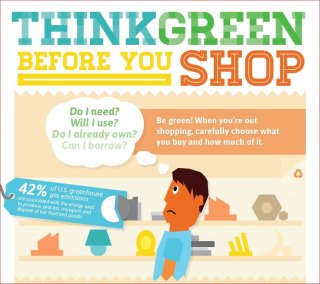
Also, check out our Think Green Before You Shop poster for questions you can ask yourself before shopping to reduce, reuse, and recycle more.
Recycling Saves Resources and Creates Jobs
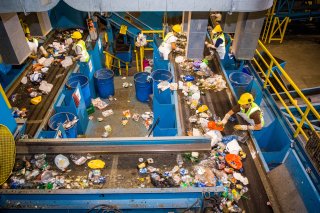
In 2016, EPA published significant findings on the economic benefits of the recycling industry with an update to the national Recycling Economic Information REI study. This study analyzes the numbers of jobs, wages, and tax revenues attributed to recycling. The study found that in a single year, recycling and reuse activities in the United States accounted for:
- 681,000 jobs.
- $37.8 billion in wages.
- $5.5 billion in tax revenues.
This equates to 1.17 jobs for every 1,000 tons of materials recycled.
The ferrous metals industry provides the largest contribution to all three categories (job, wage, and tax revenue), followed by construction and demolition, and non-ferrous metals such as aluminum.
Recycle More, Recycle Right
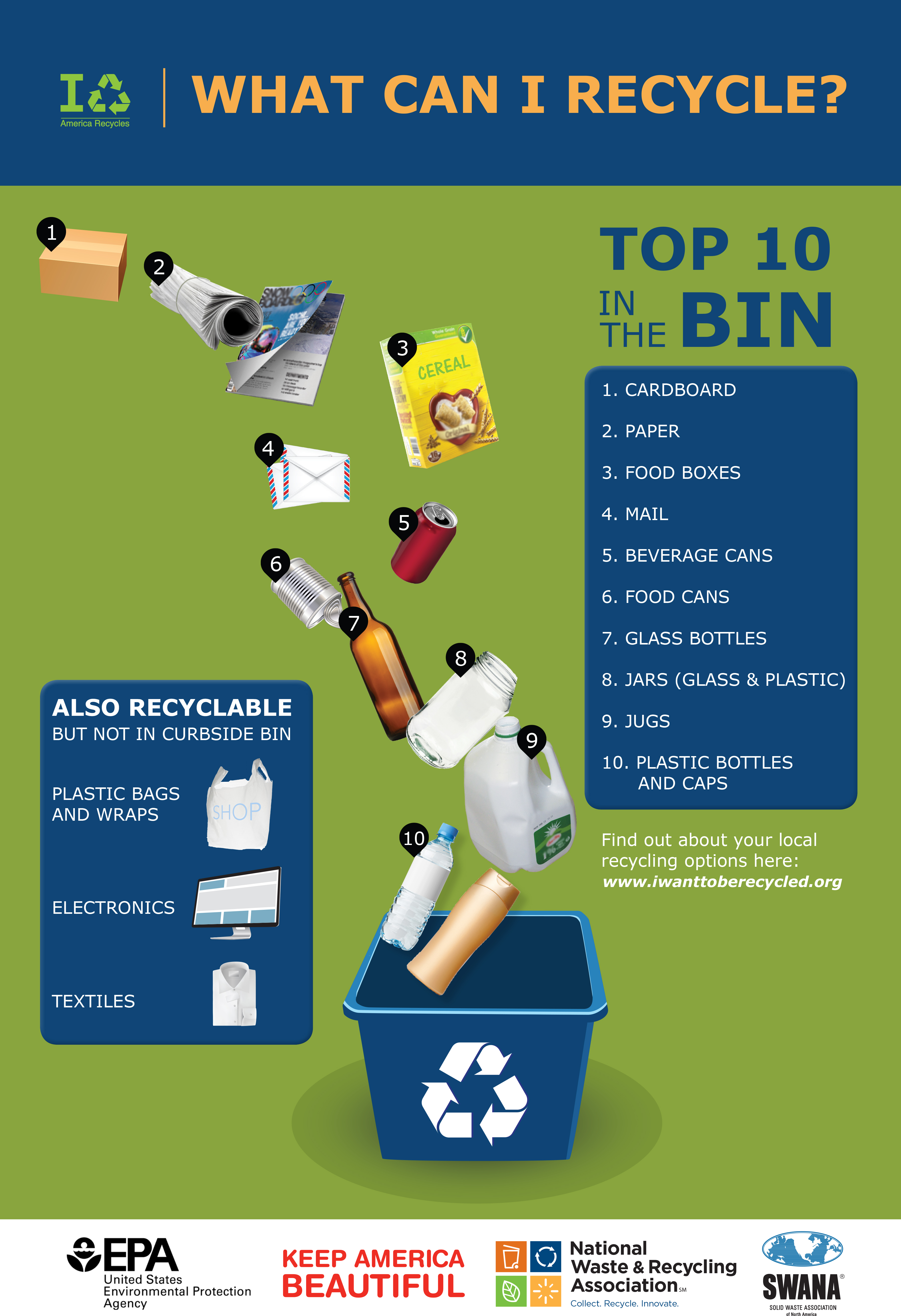
How often do you ask yourself what's right to put in your recycling bin? Next time you go to throw something away, get creative and think of ways to reduce waste in the first place! There are many ways to improve the recycling rate. Check out our What You Can Do to Improve the Recycling Rate fact sheet for ideas on how you can improve your recycling. Additionally, check out our poster to the right and our How Do I Recycle?: Common Recyclables webpage to learn how to recycle more and recycle right.
Check out our Frequent Questions on Recycling page for more information on ways you can contribute.
Save Energy By Recycling
Recycling everyday objects, such as paper, bottles and magazines, saves energy. The materials that you recycle are used to create the products you buy. This means less virgin material needs to be mined or harvested, processed, manufactured, and transported - all of which consumes energy. The iWARM tool is based on EPA's Waste Reduction Model for solid waste planners and organizations. iWARM can be used to calculate how much energy organizations can save by recycling versus landfilling their waste.
Resources for Educators
Educators: Our Reduce, Reuse, Recycle Resources for Students and Educators webpage has resources and activities for America Recycles Day.