Community Revitalization of Superfund Sites
Overview
Superfund sites in reuse and continued use contribute to local economies with economic benefits such as jobs, new businesses, tax revenues and local spending. Many sites host parks, business districts, energy production facilities, wildlife habitats, public recreation areas, neighborhoods and farms. Superfund cleanups are also linked to increases in residential property values within 3 miles of sites after cleanup.
Community Revitalization Highlights
Jacksonville Ash Site– Jacksonville, Florida (EPA Region 4)
This Superfund site includes three areas where the city of Jacksonville’s municipal incinerators generated and deposited ash. Cleanup activities included digging up contaminated soil, placing clean soil in the excavated area and putting institutional controls in place to prevent exposure to residual contamination. Over 1,400 properties have been addressed as part of the cleanup. The site has remained in continued use including housing residential, ecological, commercial, industrial, recreational and public service areas. It is home to parks, a community center, a tennis center, a charter school, a park building, ballfields, parking, playground areas and an animal care facility. With creeks in all three areas of the site, recreation facilities include fishing areas, trails and launch points for canoes and kayaks. In 2010, EPA’s Superfund Job Training Initiative (SuperJTI) program provided environmental remediation training and career support for 26 trainees in the Jacksonville area. EPA Region 4 recognized the community’s leadership with its Excellence in Site Reuse award in 2015.
Schroud Property Superfund Site – Chicago, Illinois (EPA Region 5)
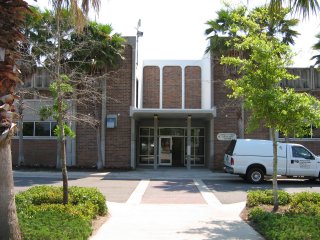
EPA’s Superfund Redevelopment Program is providing resources for a reuse assessment and community outreach for this 67-acre former slag storage and dumping facility. As part of the project, EPA is working with the Southeast Environmental Task Force, the city of Chicago and regional partners to help establish local expectations for the cleanup process, solicit community feedback, and identify the site’s reasonably anticipated future land uses. EPA will also coordinate reuse assessment activities with community planning efforts to make sure the site’s reuse assessment will be a helpful resource for local planning and revitalization efforts.
Tar Creek (Ottawa County) Superfund site – Oklahoma (EPA Region 6)
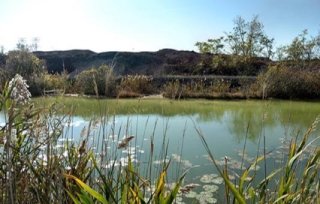
This Superfund site includes areas contaminated by lead mining across Ottawa County and the Quapaw Nation. EPA’s Superfund Redevelopment Program provided support to EPA Region 6 for an energy reuse assessment of four areas on Tribal land in partnership with the Grand River Dam Authority and the Quapaw Nation.

Portland Harbor Superfund Site – Portland, Oregon (EPA Region 10)
This Superfund site includes a 10-mile stretch of the lower Willamette River; both in-river and upland areas are contaminated from decades of industrial use. There is broad community interest in the future of the waterfront, public access opportunities and the overall health of the river, including restoration of species that are culturally significant to several Tribes. EPA is providing resources for a reuse situation assessment to gather information from the city, property owners and community partners to better understand local future use goals and considerations for the site. As part of this effort, the assessment will identify the needs and interests of the local communities, such as continued and improved access to the river for safe, subsistence fishing.

Superfund Site Reuse Successes:
- Brown’s Dump – Jacksonville, Florida (EPA Region 4)
- Eagle-Picher Henryetta – Henryetta, Oklahoma (EPA Region 6)
- Fruit Avenue Plume – Albuquerque, New Mexico (EPA Region 6)
- Jacobsville Neighborhood Soil Contamination – Evansville, Indiana (EPA Region 5)
- Kansas City Structural Steel – Kansas City, Kansas (EPA Region 7)
- Midvale Slag – Midvale, Utah (EPA Region 8)
- RSR Corporation – Dallas, Texas (EPA Region 6)
- Vasquez Boulevard and I-70 – Denver, Colorado (EPA Region 8)
- Wells G&H – Woburn, MA (EPA Region 1)
Tools and Resources
Reuse Planning and Technical Assistance
EPA’s Superfund Redevelopment Program provides reuse planning and technical assistance to communities, stakeholders and EPA Regions to support the productive reuse and redevelopment of Superfund sites. These Regional Support Projects aim to facilitate redevelopment, remove barriers to productive reuse, and ensure the future uses of Superfund sites are well aligned with the cleanup and removal/remedial process.
Technical assistance and reuse planning support includes a variety of activities. They can be structured as stand-alone, just-in-time services or as part of a longer-term process. The EPA tailors technical assistance and reuse planning activities to meet the needs of specific sites, EPA site teams, stakeholders and communities.
EPA's Superfund Job Training Initiative (SuperJTI)
SuperJTI is a job readiness program that provides training and employment opportunities for people living in communities affected by Superfund sites. EPA’s goal is to help these communities develop job opportunities that remain long after Superfund sites have been cleaned up.