


Resources, Waste, and Emissions
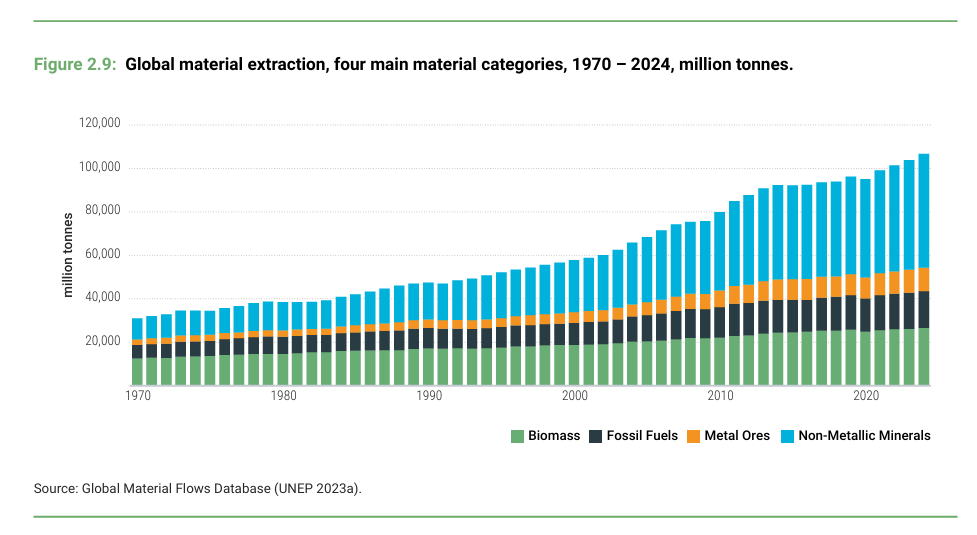
Decisions about how goods (such as food, plastic packaging, and building materials) are produced, transported, used, and disposed of can make a big difference in the amount of the resources used, environmental impacts created, and waste produced. Environmental impacts associated with goods result from the energy, land, and water used to produce, transport, consume, and dispose of them. According to the Global Resources Outlook 2024 report from the United Nations Environment Programme’s International Resource Panel, global material use has been increased more than three times over the last 50 years and approximately 40 percent of global particulate matter health related impacts stem from the extraction and processing of materials resources (fuels, metals, minerals, biomass, and food). Reducing, reusing, recycling, and composting are strategies that can lessen the environmental impact of goods.

Learn How Reducing
Waste Decreases Our
Environmental Footprint


What Businesses and
Communities Can Do


Resources
- Facts and Figures About Materials, Waste and Recycling
- Sustainable Materials Management Web Academy – Webinar Recordings and Slides
- Managing and Transforming Waste Streams: A Tool for Communities
- Food Waste Research
- Examples of Local Government Action Plans that Address Materials Management and Waste
- Wasted Food Infographics