


The Effects: Environment
Nutrient pollution fuels the growth of harmful algal blooms (HABs) which have negative impacts on aquatic ecosystems.
Direct Exposure to Algae
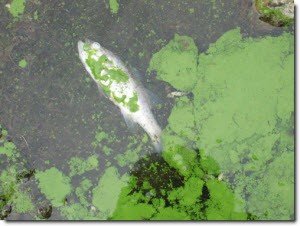
HABs in water bodies sometimes release toxins that sicken or kill fish and other animals. After being consumed by small fish and shellfish, these toxins move up the food chain and can harm larger animals like sea lions, turtles, dolphins, birds and manatees.
Even if algal blooms are not toxic, they can harm or kill fish by clogging their gills. Algal blooms can also reduce the ability of fish and other aquatic life to find food and can cause entire populations to leave an area or even die.
Dead Zones and Hypoxia
Dead zones are areas of water bodies where aquatic life cannot survive because of little or no dissolved oxygen, also known as hypoxia. Dead zones are generally caused by significant nutrient pollution and are primarily a problem for bays, lakes and coastal waters since they receive excess nutrients from upstream sources.
Algae blooms consume oxygen and block sunlight from underwater plants. When the algae eventually die, they consume the oxygen in the water column as they decompose. When the concentration of dissolved oxygen decreases to a level that can no longer support aquatic life, hypoxic or dead zones form. The frequency and duration of dead zones have increased since they were first noticed in the1970s.
Over 165 dead zones have been documented nationwide, affecting waterbodies like the Chesapeake Bay and the Gulf of America. The Gulf of America dead zone is the largest in the United States, and occurs every summer because of nutrient pollution from the Mississippi River Basin, an area that drains 31 upstream states. The Mississippi River/Gulf of America Hypoxia Task Force coordinates nutrient management in this area.
Acid Rain
Nutrient pollution in the air can cause acid rain, which damages lakes, streams, estuaries, forests and grasslands across the country.
Air Pollution
Airborne nitrogen compounds like nitrogen oxides contribute to the formation of other air pollutants such as ground-level ozone, a component of smog which can restrict visibility. Wind and weather can carry ozone many miles. Ozone pollution can damage trees and harm the appearance of vegetation and scenic areas.